William Morris: Beauty as a Way of Life
"Have nothing in your houses that you do not know to be useful, or believe to be beautiful." With that single sentence, William Morris (1834–1896) launched a design revolution whose influence still shapes how we think about the objects we live with.
A rebellion against the machine age
Morris came of age during the Industrial Revolution, and he disliked what mass production was doing to both objects and the people who made them. Cheap, shoddy goods, he argued, degraded everyone. His answer was the Arts and Crafts movement: a return to handwork, honest materials, and design rooted in nature — beauty that ordinary people could actually own.
The patterns that never went out of style
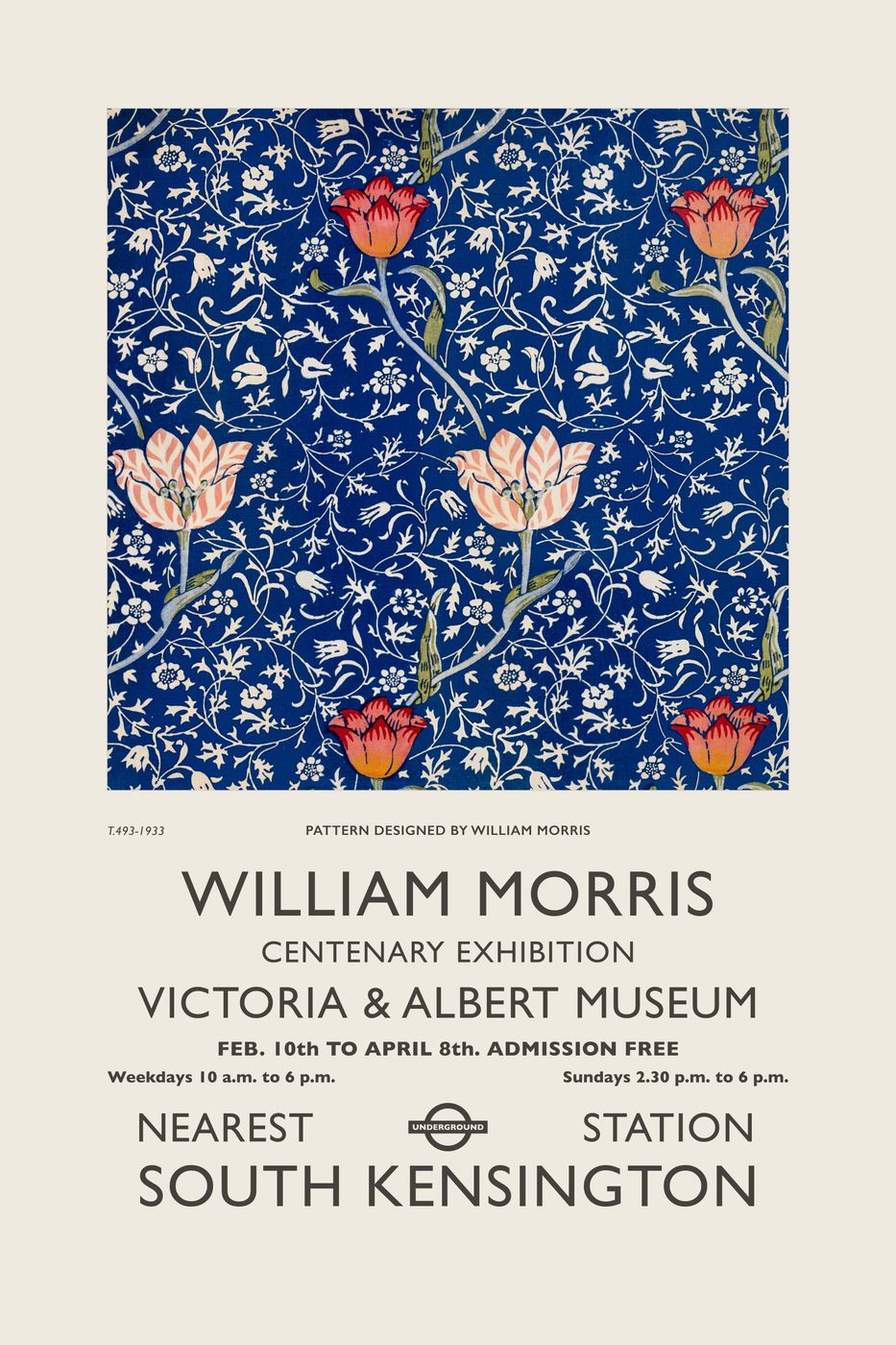
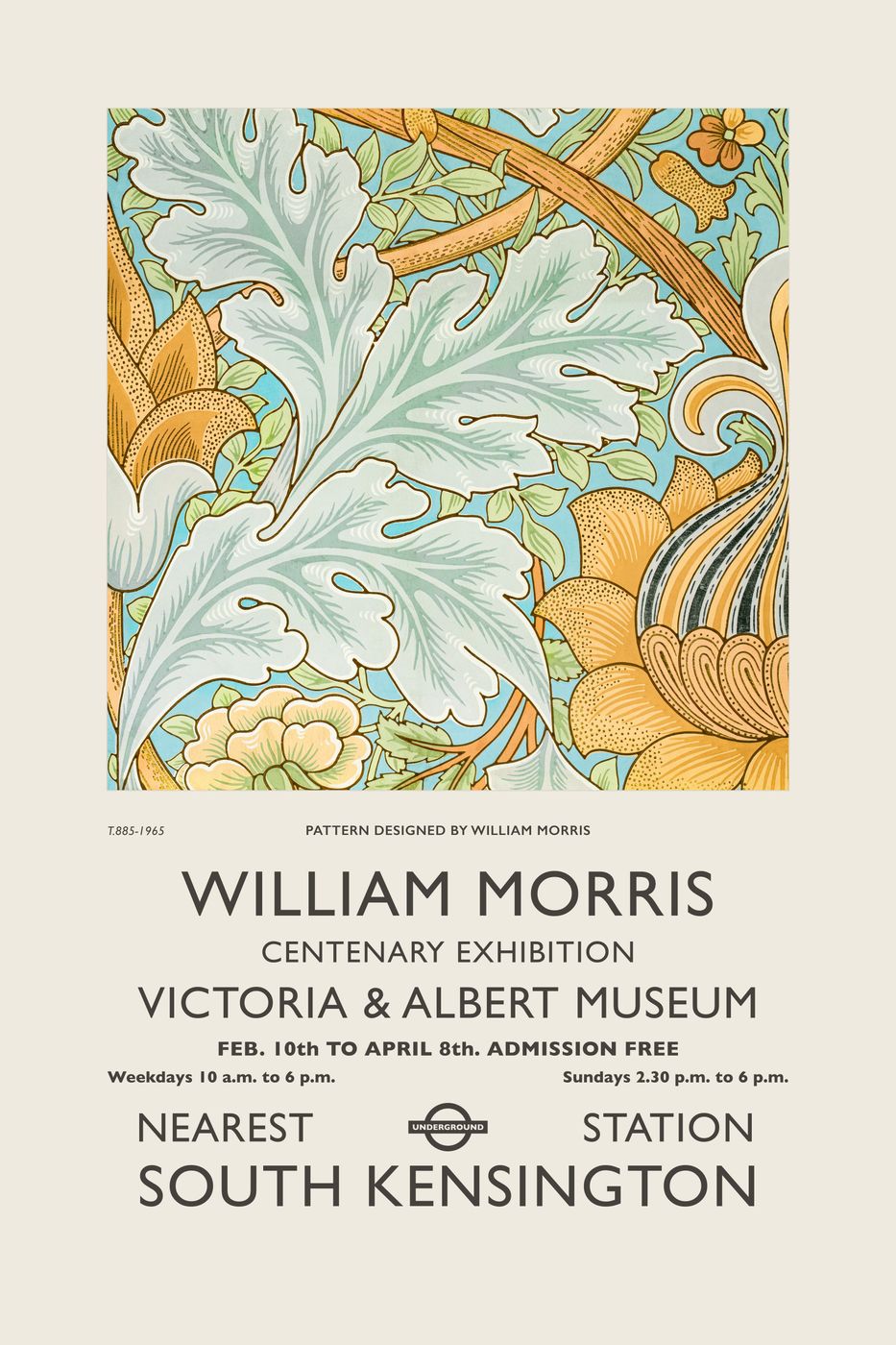
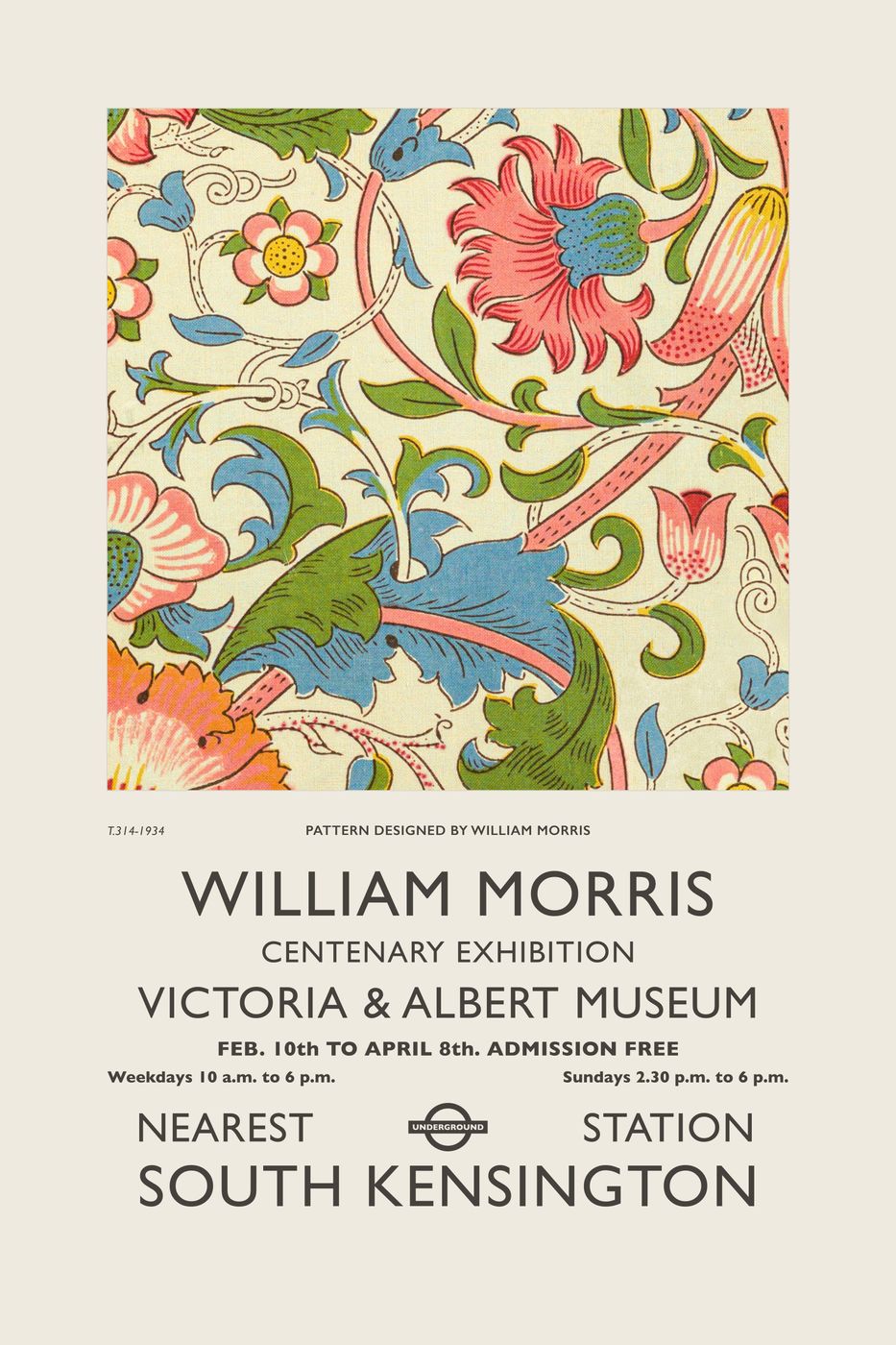
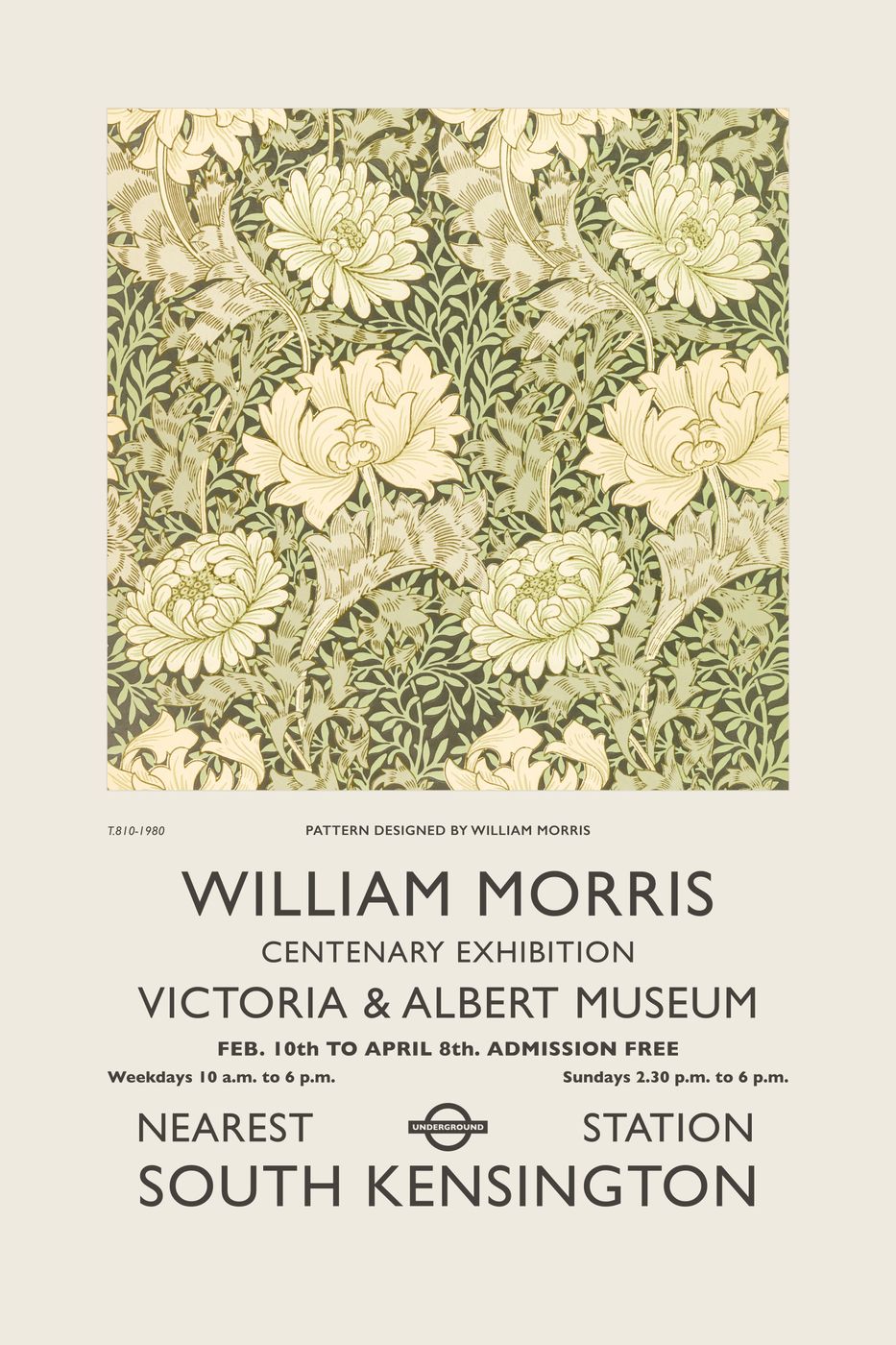
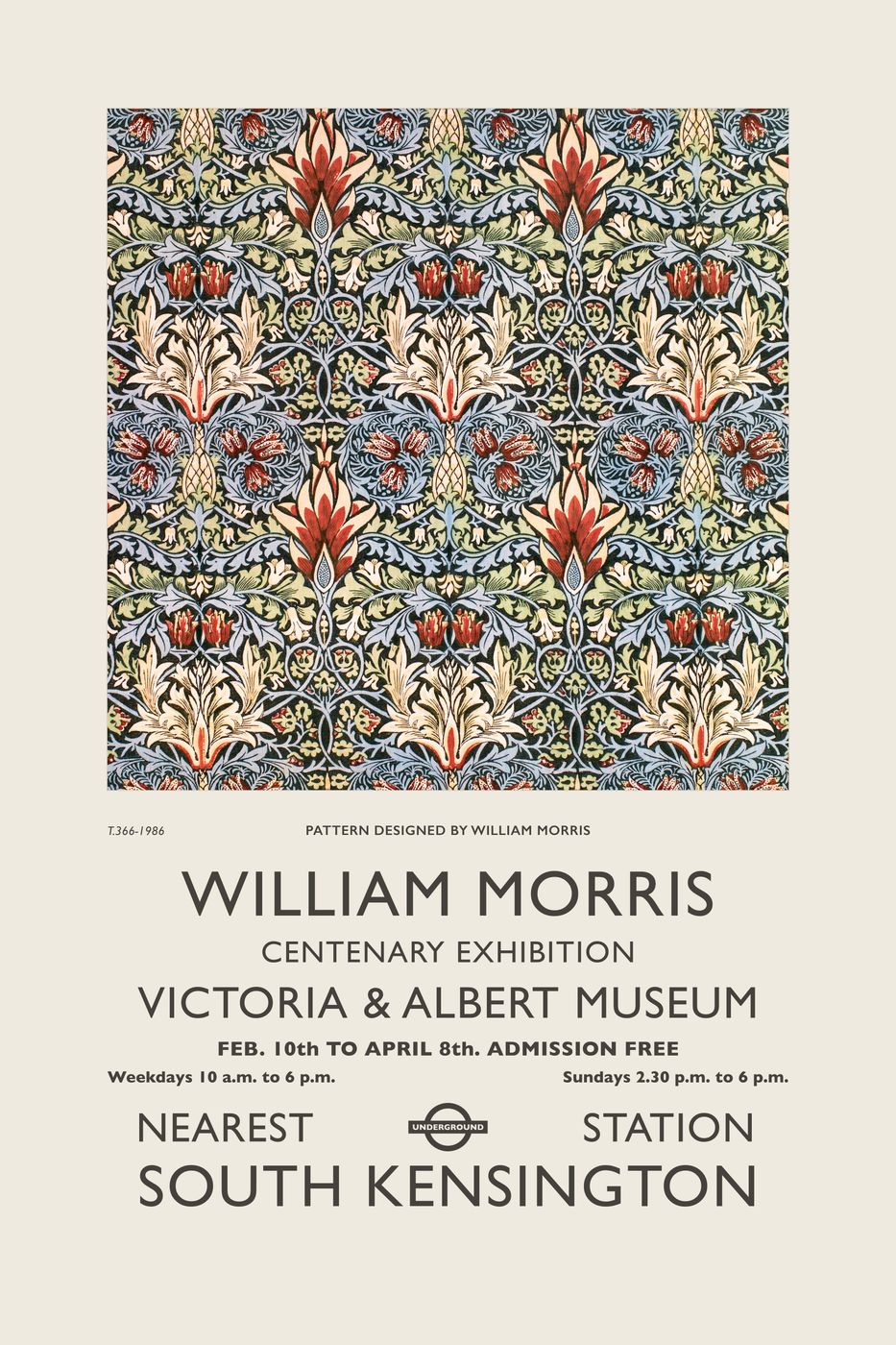
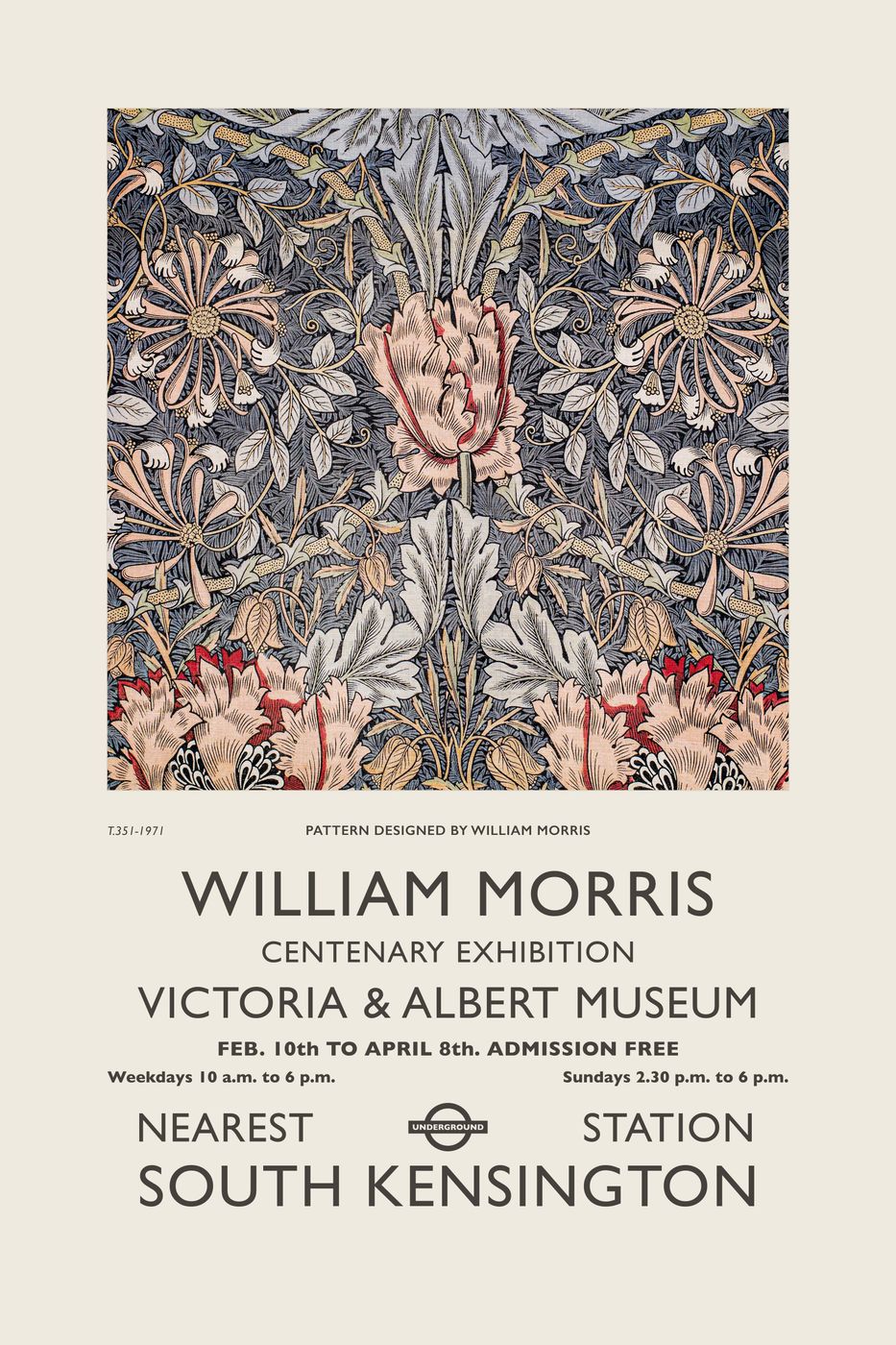
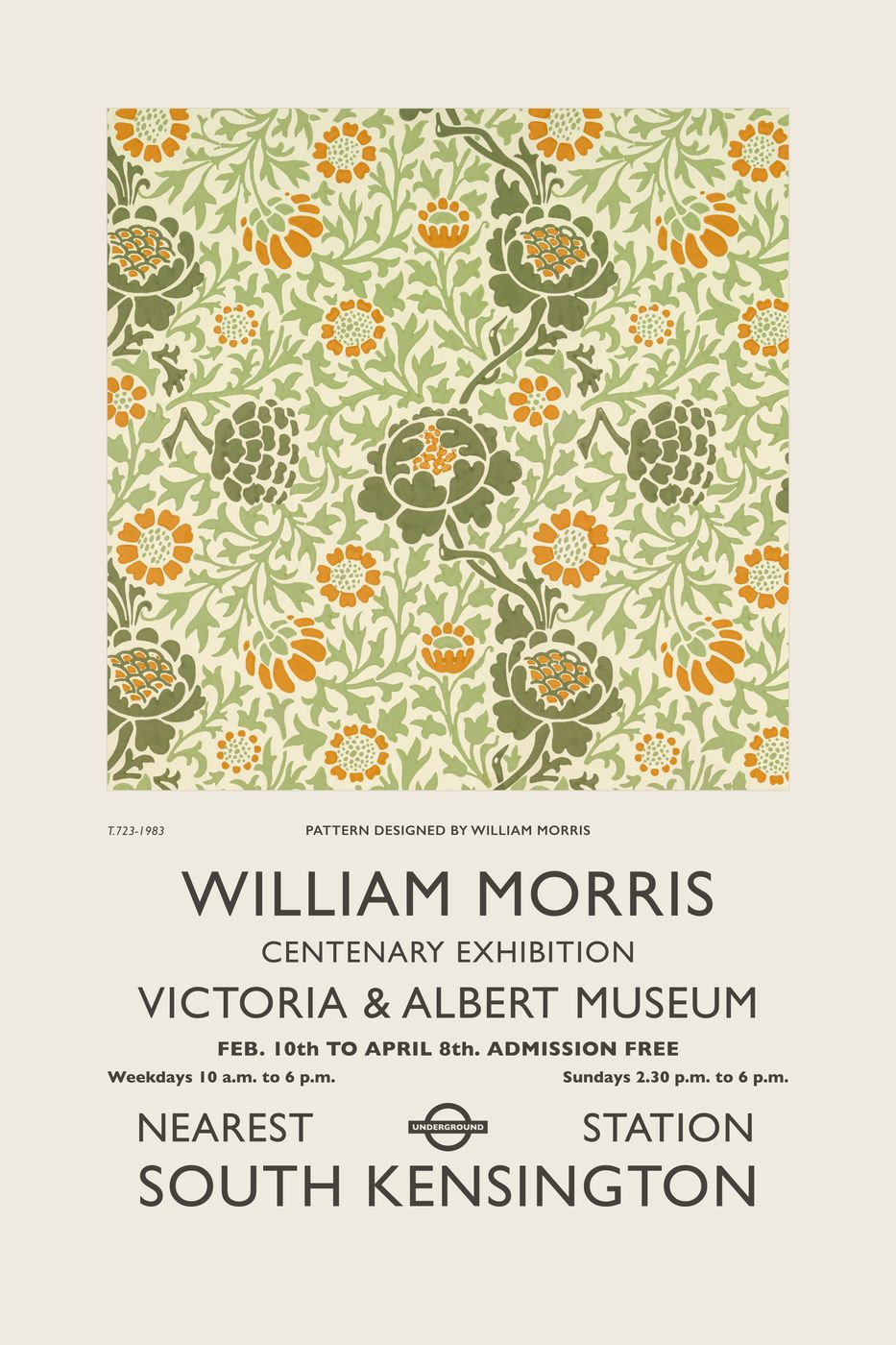
Through his firm, Morris & Co., he produced wallpapers and textiles whose names are now design shorthand: Strawberry Thief, Willow Bough, Pimpernel. Built from close observation of English gardens and hedgerows, his repeating patterns balance dense foliage with perfect rhythm. More than a century later they still feel fresh — proof of his belief that good design is timeless rather than fashionable.
The printer, poet and dreamer
Morris was also a poet, a translator of Norse sagas, an early socialist, and the founder of the Kelmscott Press, whose sumptuous books revived fine printing. Everything he made flowed from one conviction: that art and daily life should not be separated. To hang his work is to keep a little of that idealism in view — the radical, still-relevant idea that our surroundings ought to be beautiful.