Steinlen and the Cat That Conquered Paris
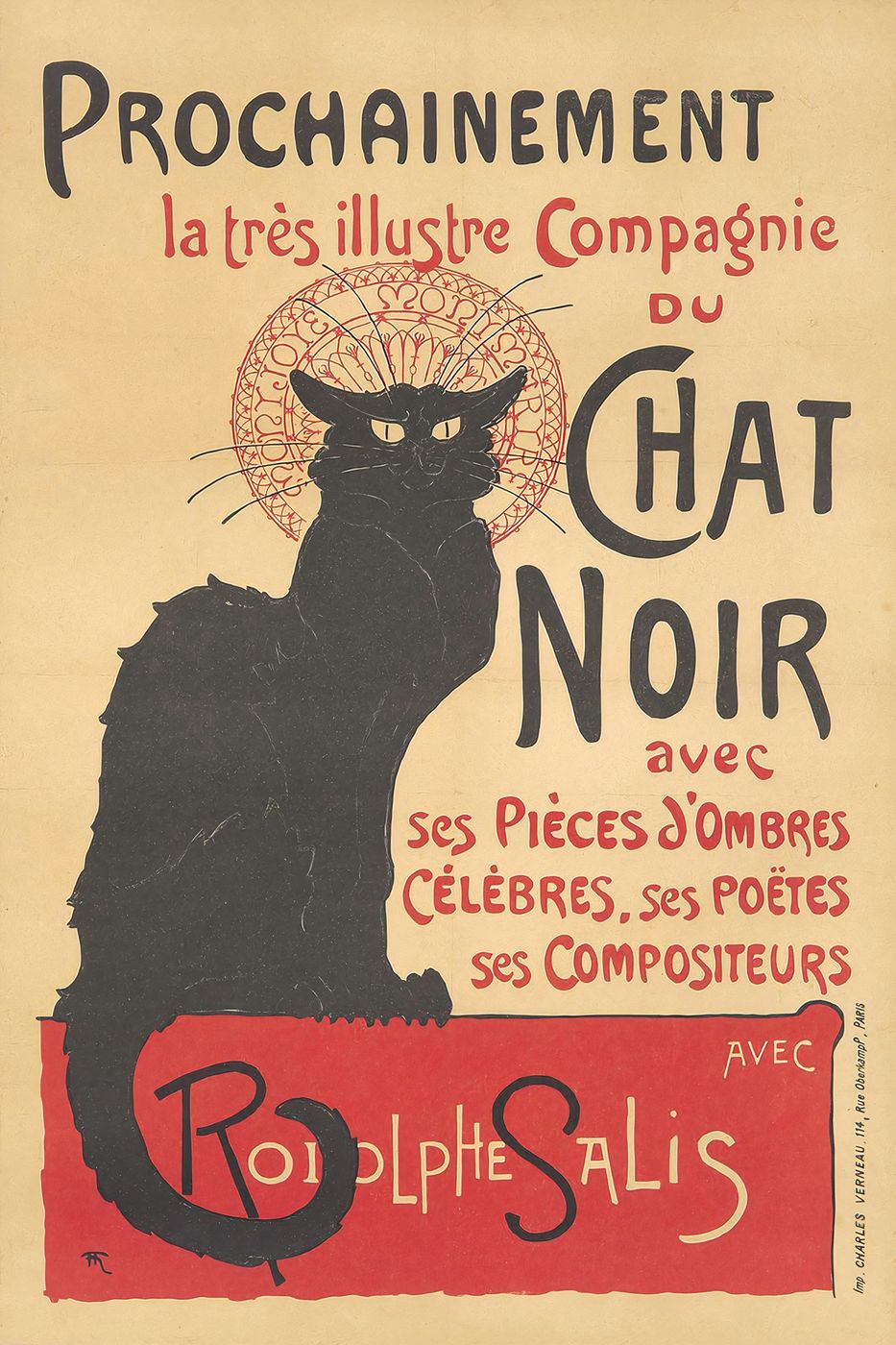
It is probably the most reproduced cat in the world: a black feline sitting bolt upright, ringed by a golden halo, staring out beneath the words Tournée du Chat Noir. Théophile-Alexandre Steinlen (1859–1923) drew it for a Montmartre cabaret in 1896, and more than a century later it still hangs in kitchens and cafés everywhere.
The cabaret that invented bohemia
Le Chat Noir was the most famous cabaret of Belle Époque Paris — a rowdy, brilliant meeting place for poets, painters and composers, and the birthplace of a whole bohemian myth. When it sent a touring show on the road, it needed a poster. Steinlen, a Swiss-born artist living in poverty in Montmartre, gave it an image so bold and simple that it became the cabaret's immortal emblem.
A genuine lover of cats
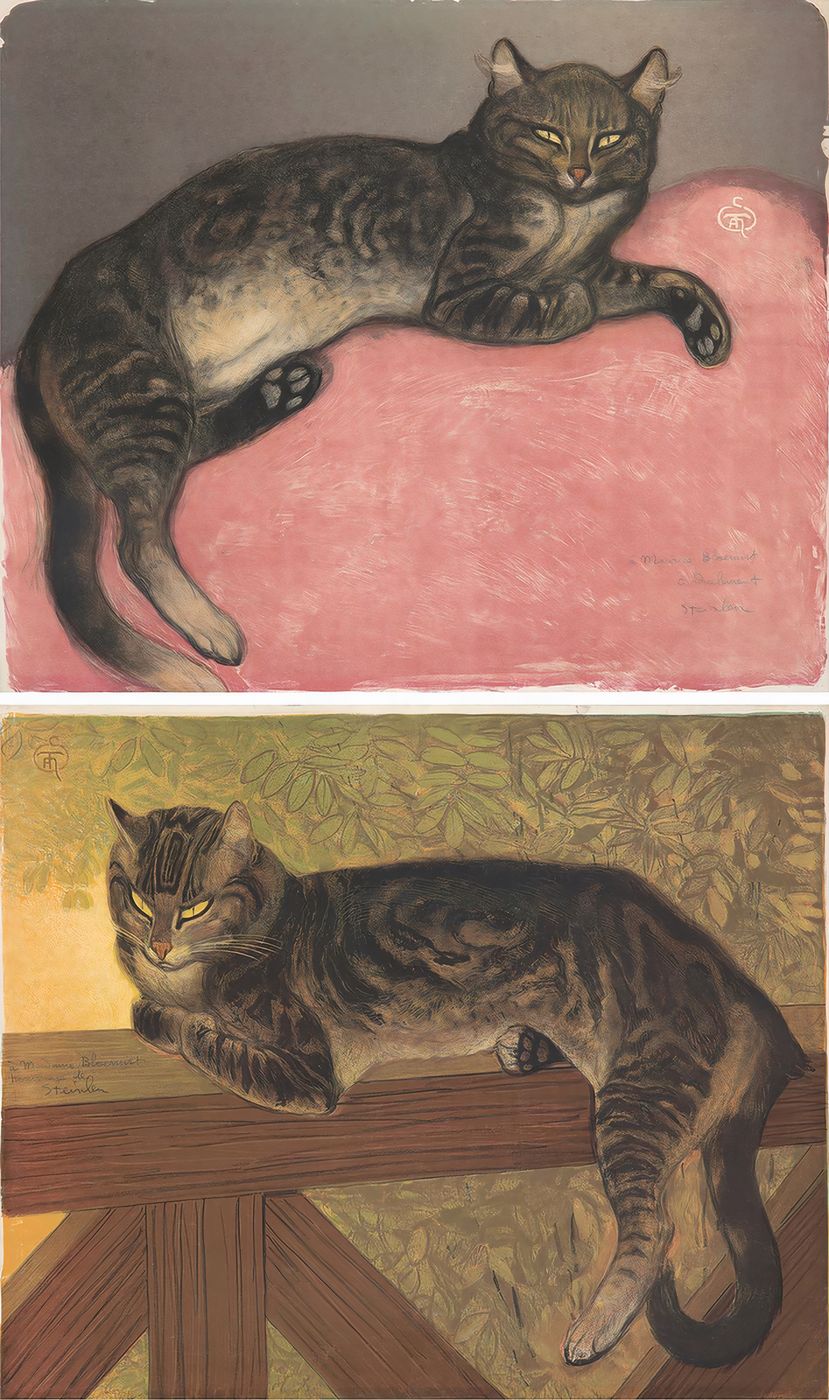
Steinlen didn't just paint cats to order; he adored them. His studio was overrun with strays, and he drew them endlessly — stretching, prowling, curled asleep — with an affection and accuracy few artists have matched. His album Des Chats is a small monument to feline character, and it is that real fondness, not just graphic skill, that gives his cats their warmth.
Beyond the cats
Steinlen was also a sharp social observer who portrayed the workers, streetwalkers and poor of Paris with unusual empathy. But it is the cats that made him immortal — living proof that a single, honestly observed image can outlast almost everything else an artist makes. Printed at archival quality, that black cat still commands a room.