The Raphael of Flowers: Redouté and the Golden Age of Botanical Art
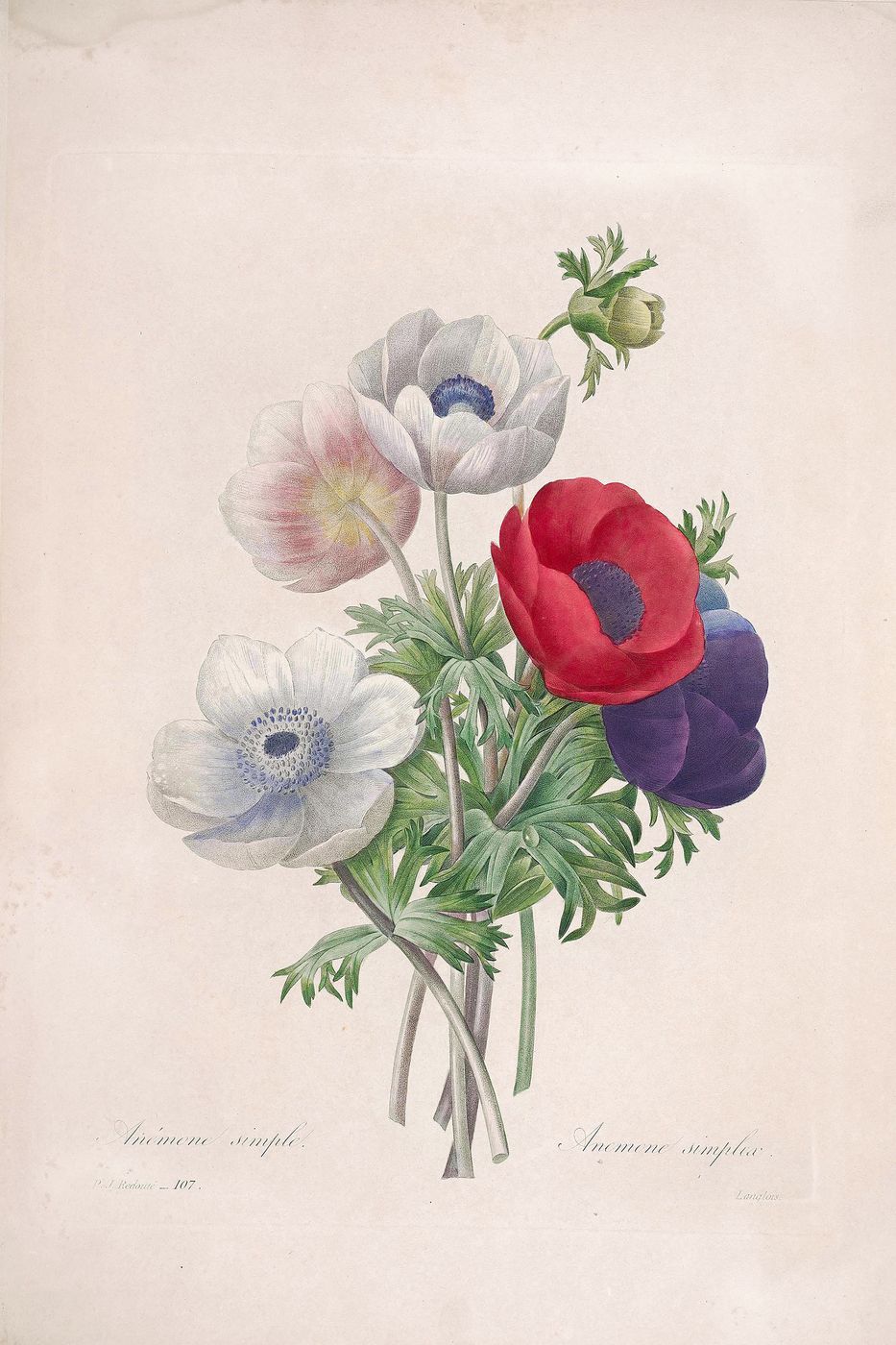
Some flowers are painted; Pierre-Joseph Redouté's seem to breathe. Known in his lifetime as "the Raphael of flowers," he raised botanical illustration from a scientific craft to one of the most beloved forms of decorative art — and his roses have never gone out of fashion since.
Court painter through three regimes
Redouté (1759–1840) had a genius for outlasting revolutions. He painted for Marie Antoinette before the French Revolution, survived the Terror, and then became the favourite artist of Empress Joséphine, whose famous rose garden at Malmaison he immortalised. Through monarchy, republic and empire, France's rulers all wanted their flowers painted by the same steady hand.
The technique behind the softness
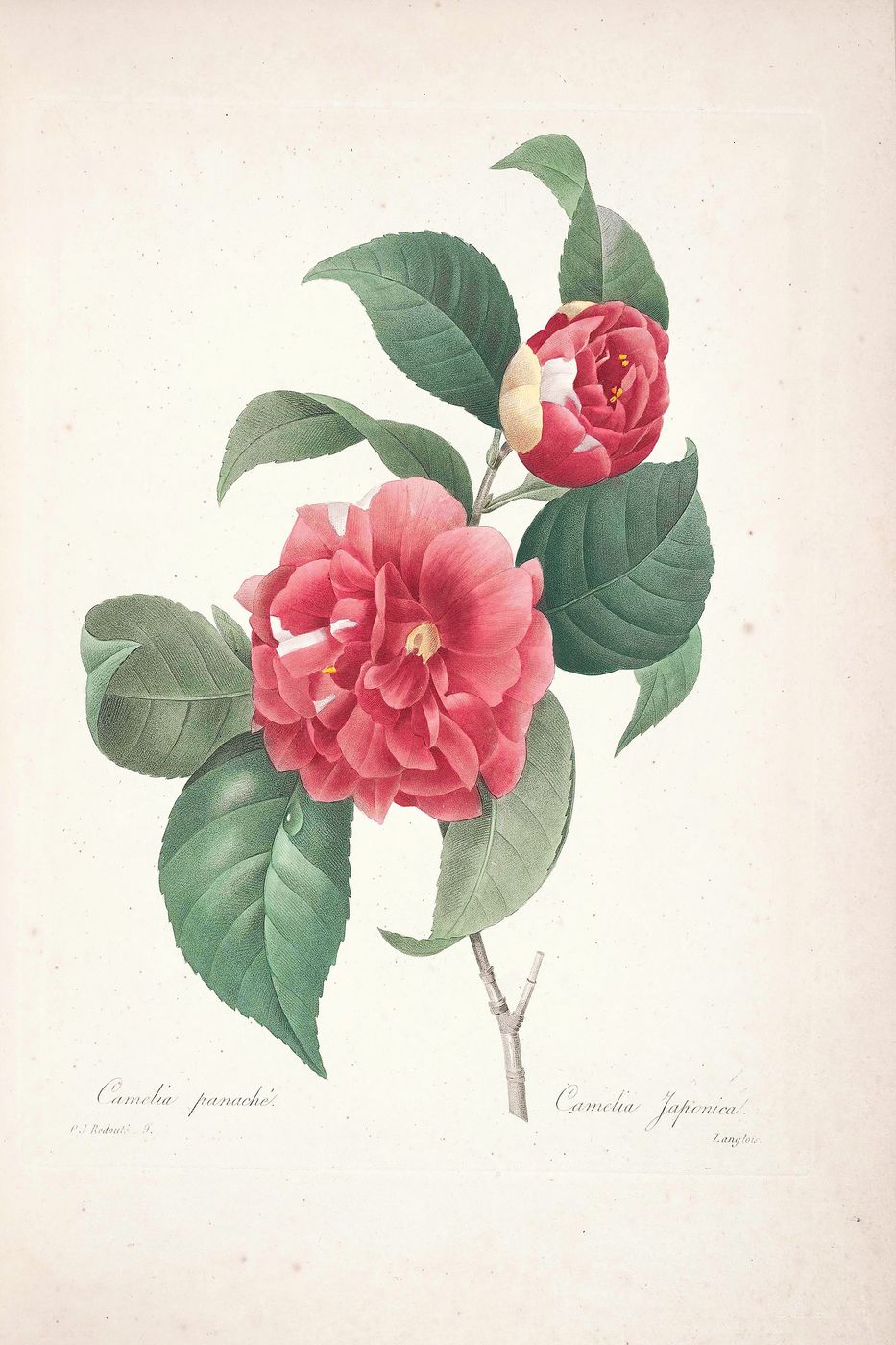
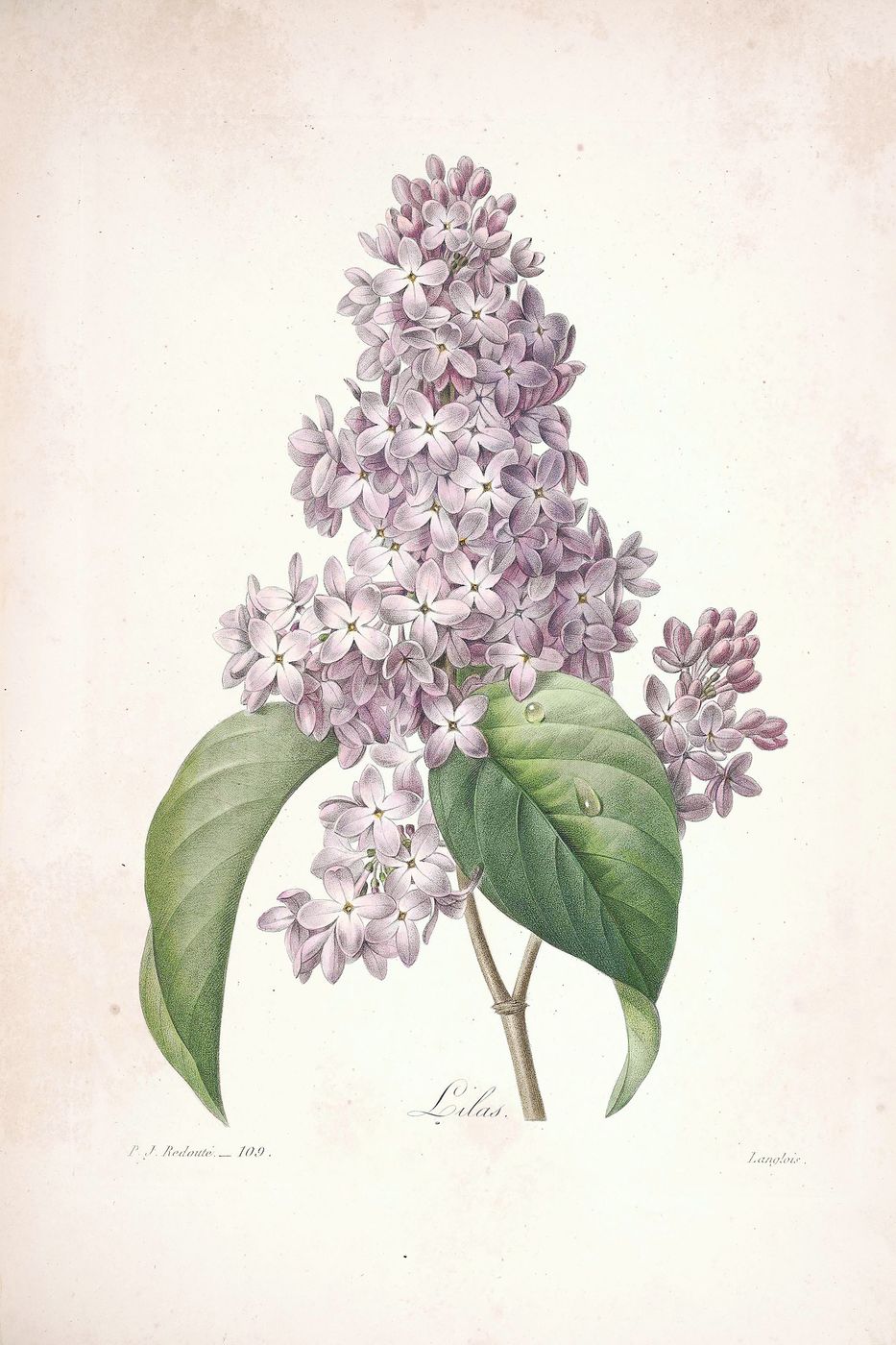
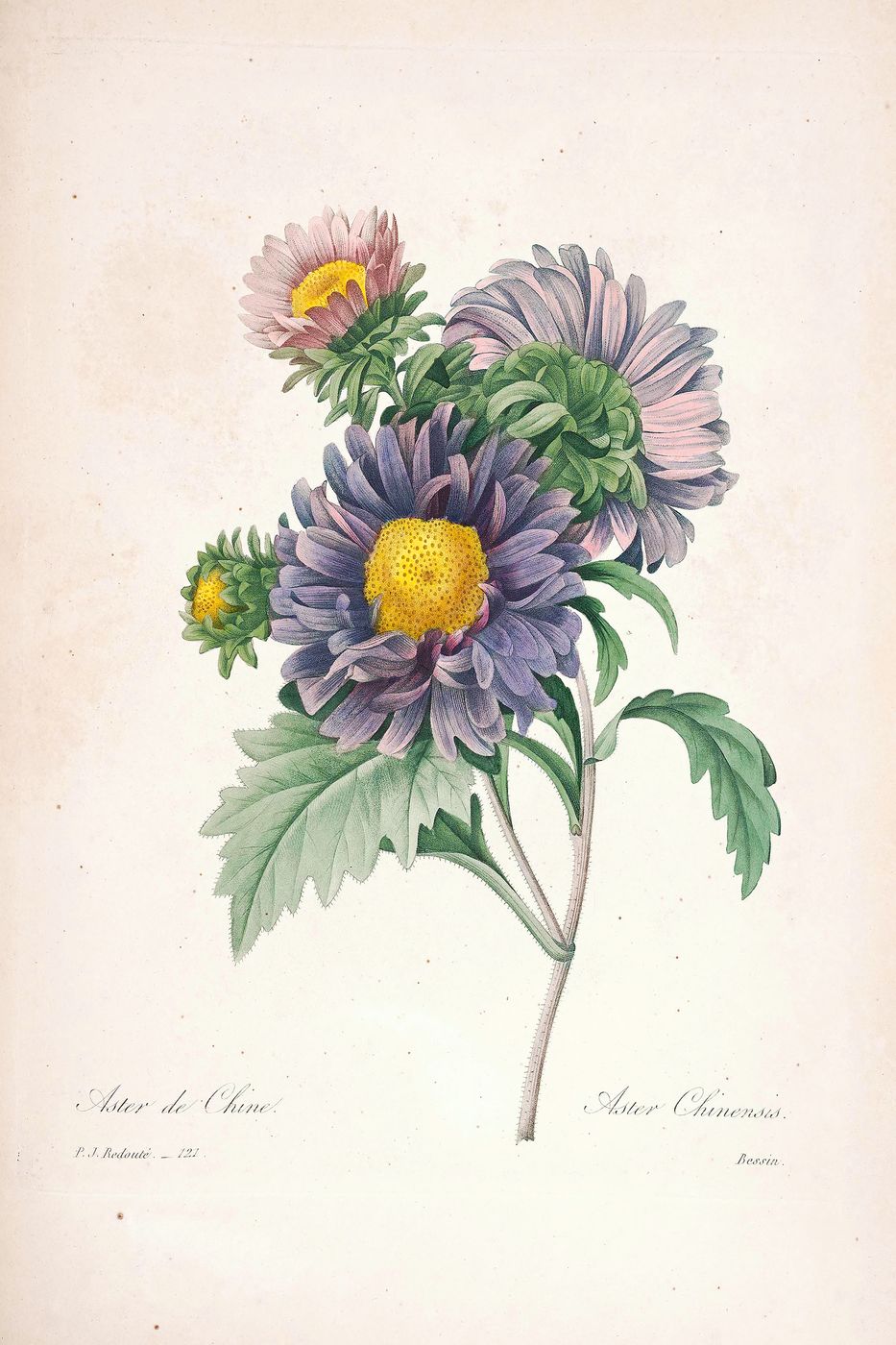
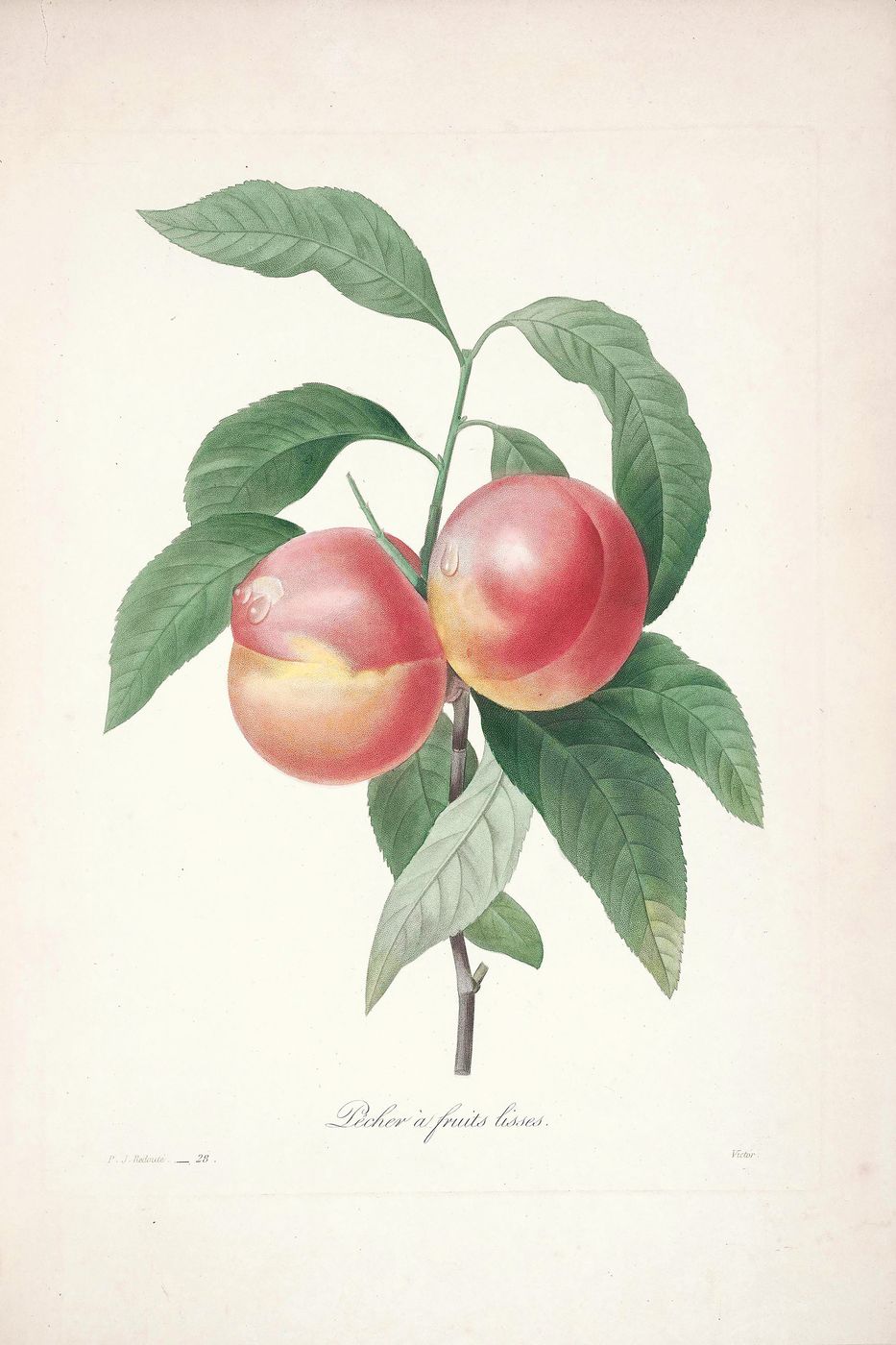
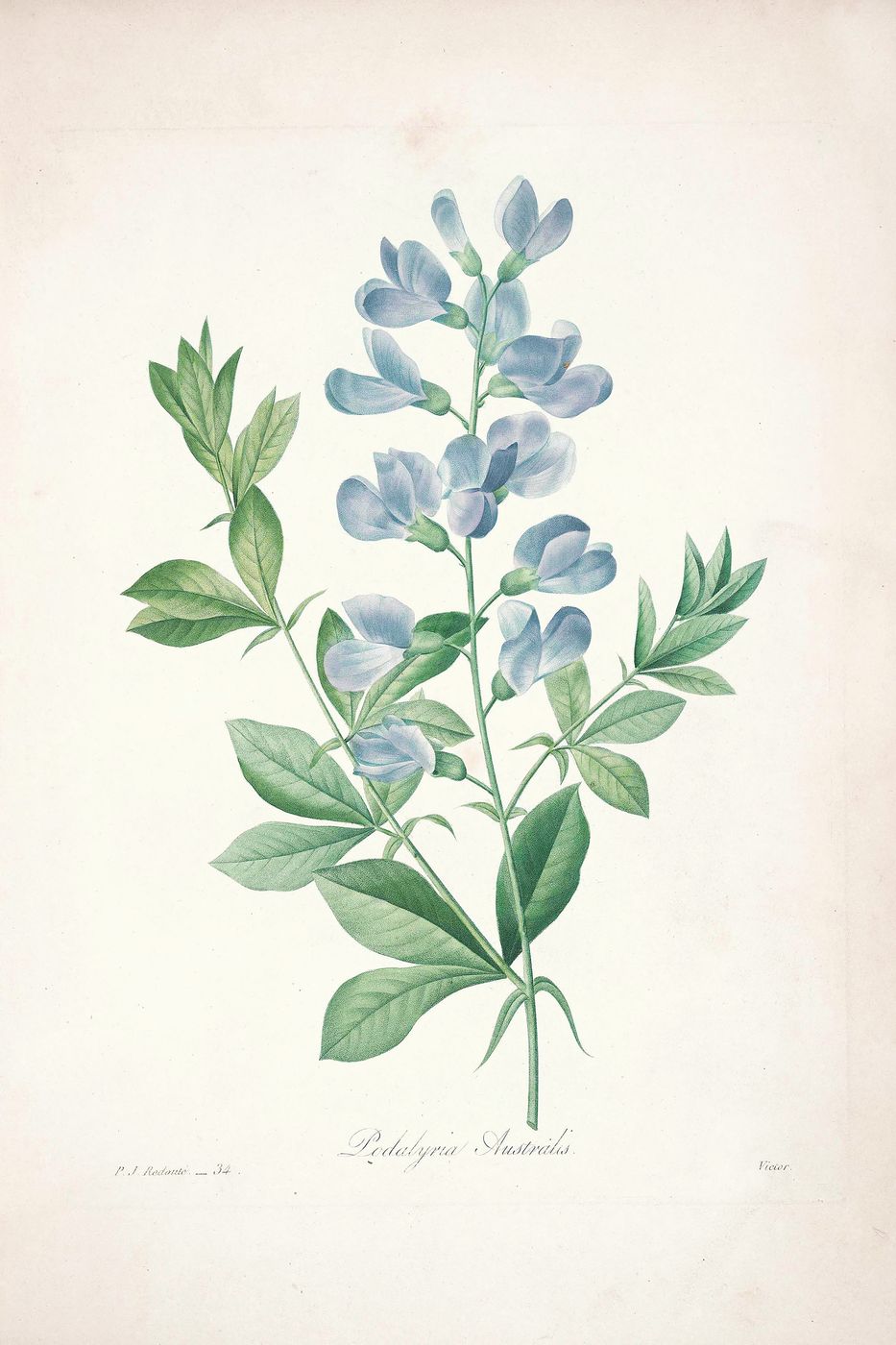
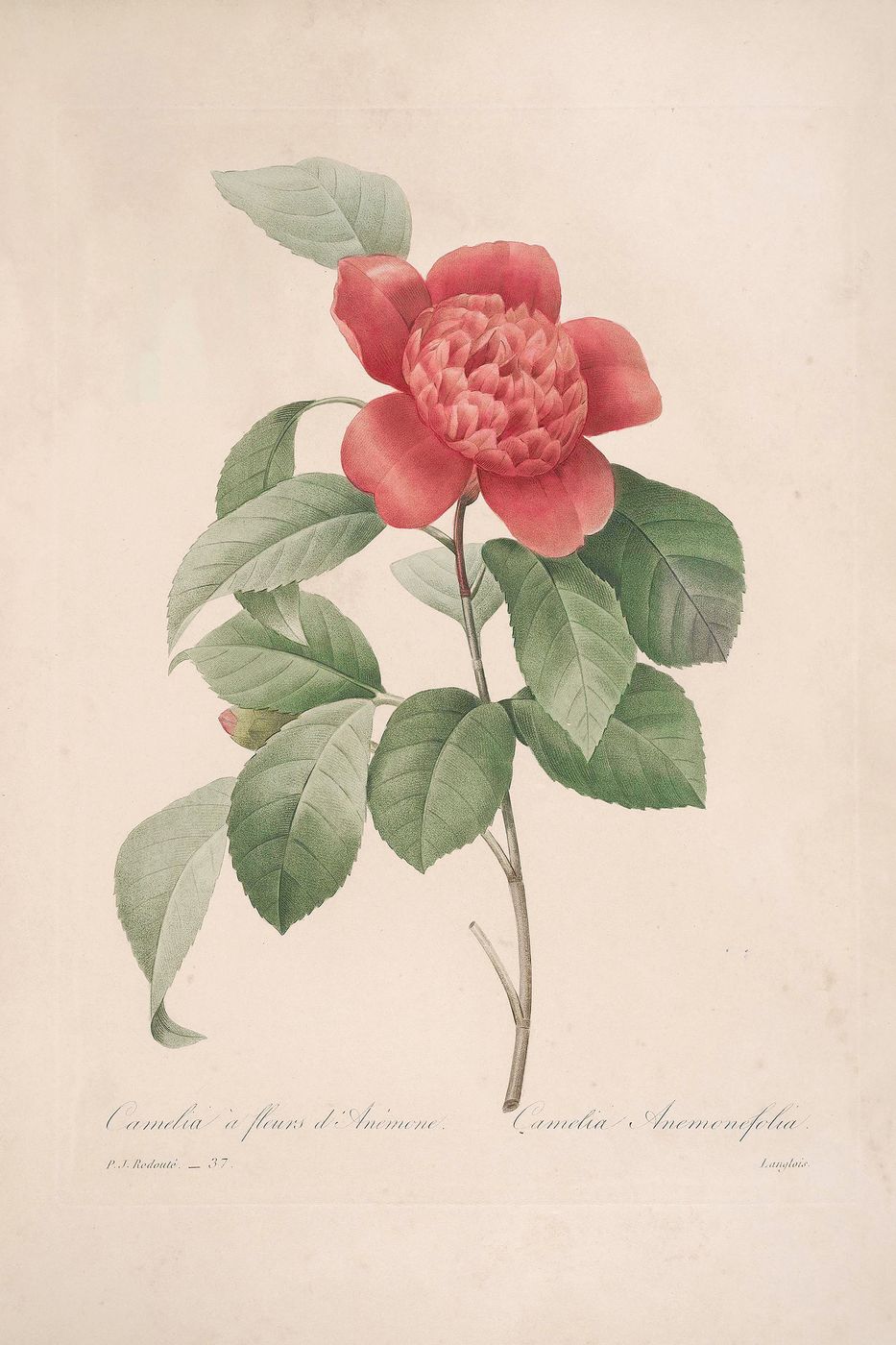
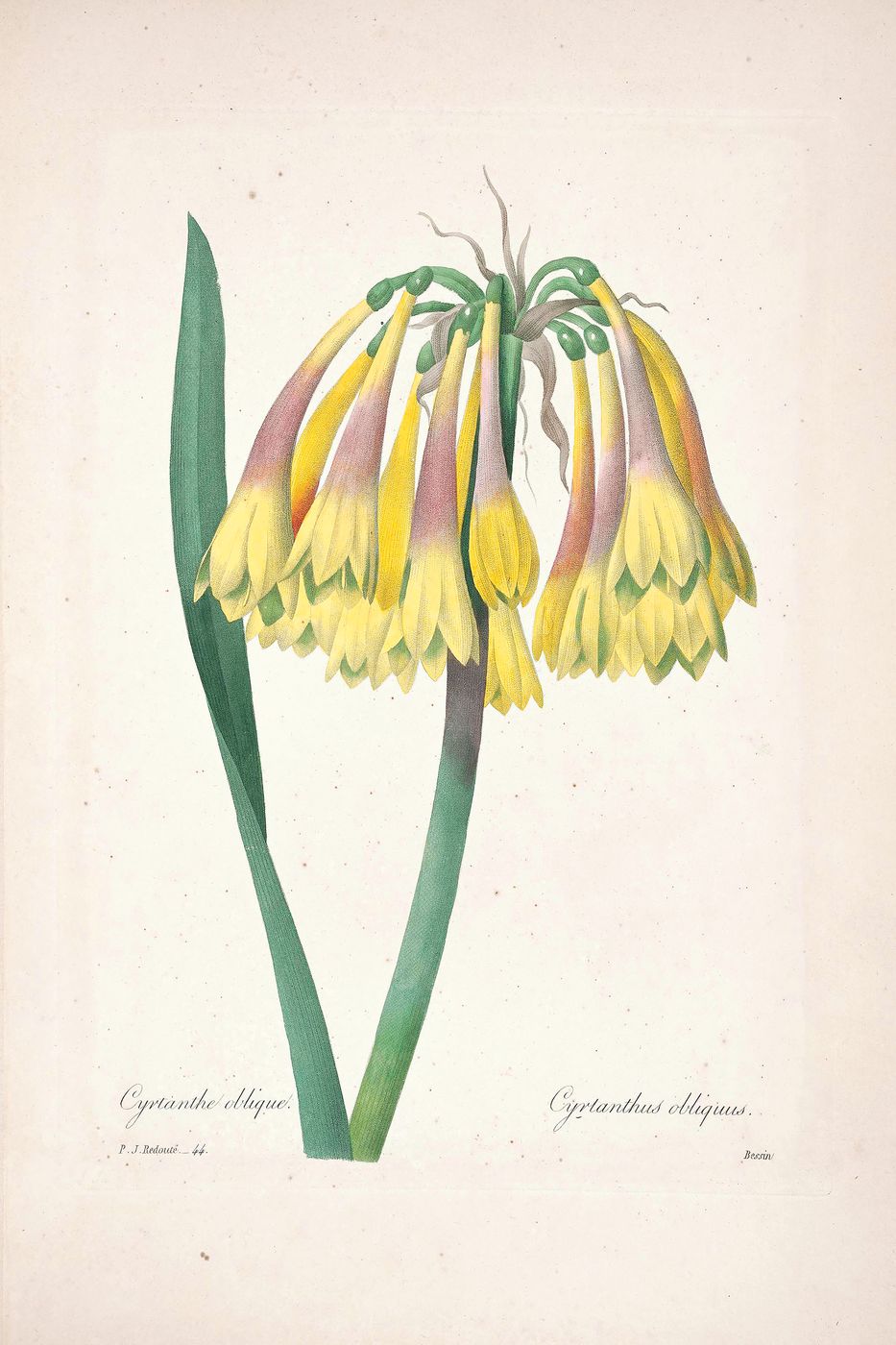
His masterpiece, Les Roses (1817–1824), and his Les Liliacées combined rigorous botanical accuracy with extraordinary delicacy. Redouté perfected stipple engraving — building tone from thousands of tiny dots rather than lines — and printed in colour, finishing each plate by hand. The result is a softness and luminosity that flat printing simply cannot achieve, which is why his originals remain so prized.
Why botanical prints belong in every home
Botanical art is the most versatile decoration there is: calm, natural, and equally at home in a bedroom, a kitchen or a hallway. A single Redouté rose brings a quiet, timeless elegance; a grid of several becomes a small indoor garden. Reproduced at museum quality, every petal keeps the gentle gradient that made Redouté the greatest flower painter who ever lived.