Jules Chéret: The Father of the Modern Poster
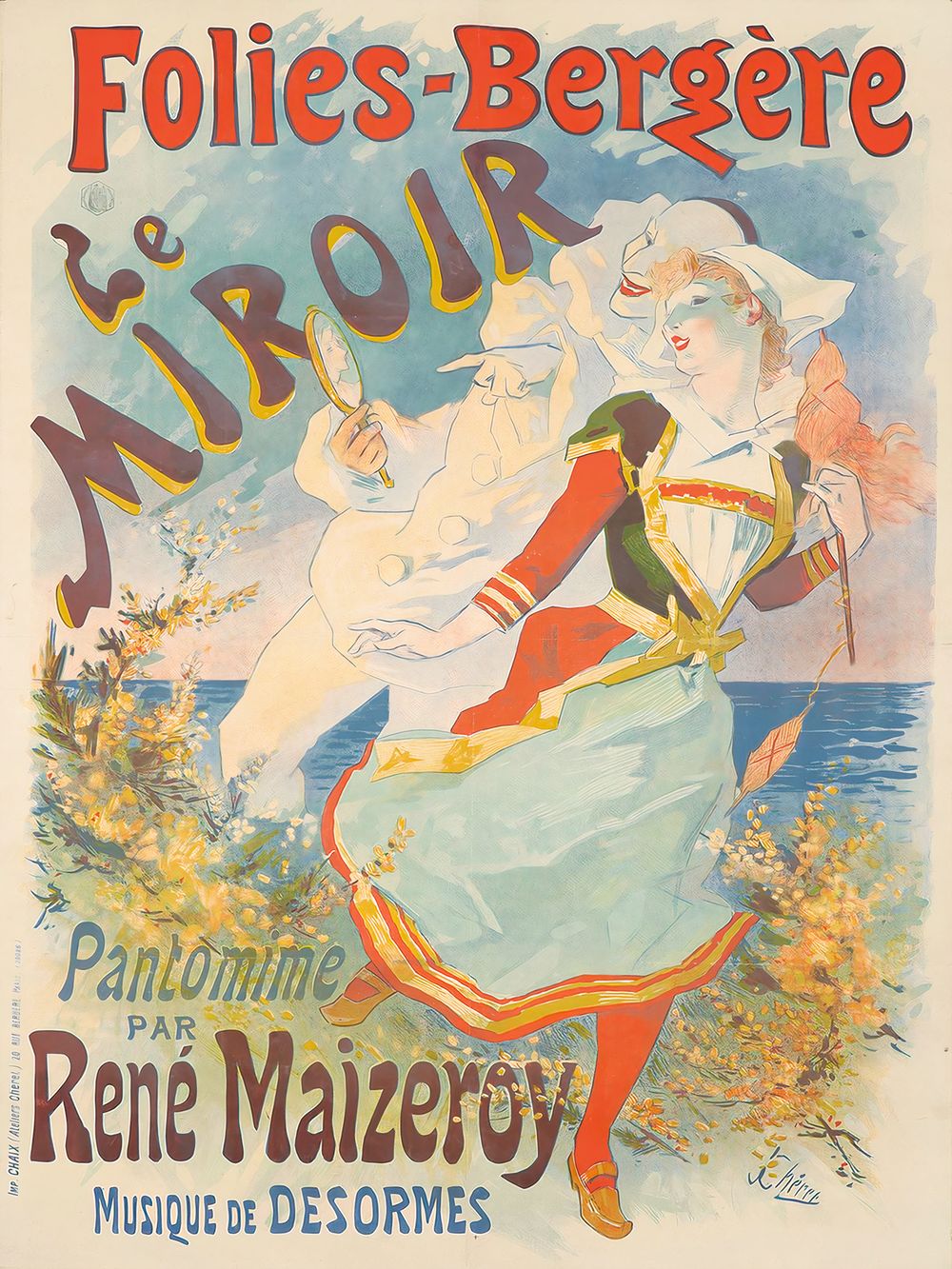
Before Jules Chéret (1836–1932), a poster was mostly words: dense blocks of type announcing a sale or a play. By the time he died, the poster had become an art form — luminous, kinetic, and unmistakably modern. It is no exaggeration to say that Chéret invented the visual language every advertiser has borrowed from since.
An apprentice who learned colour in London
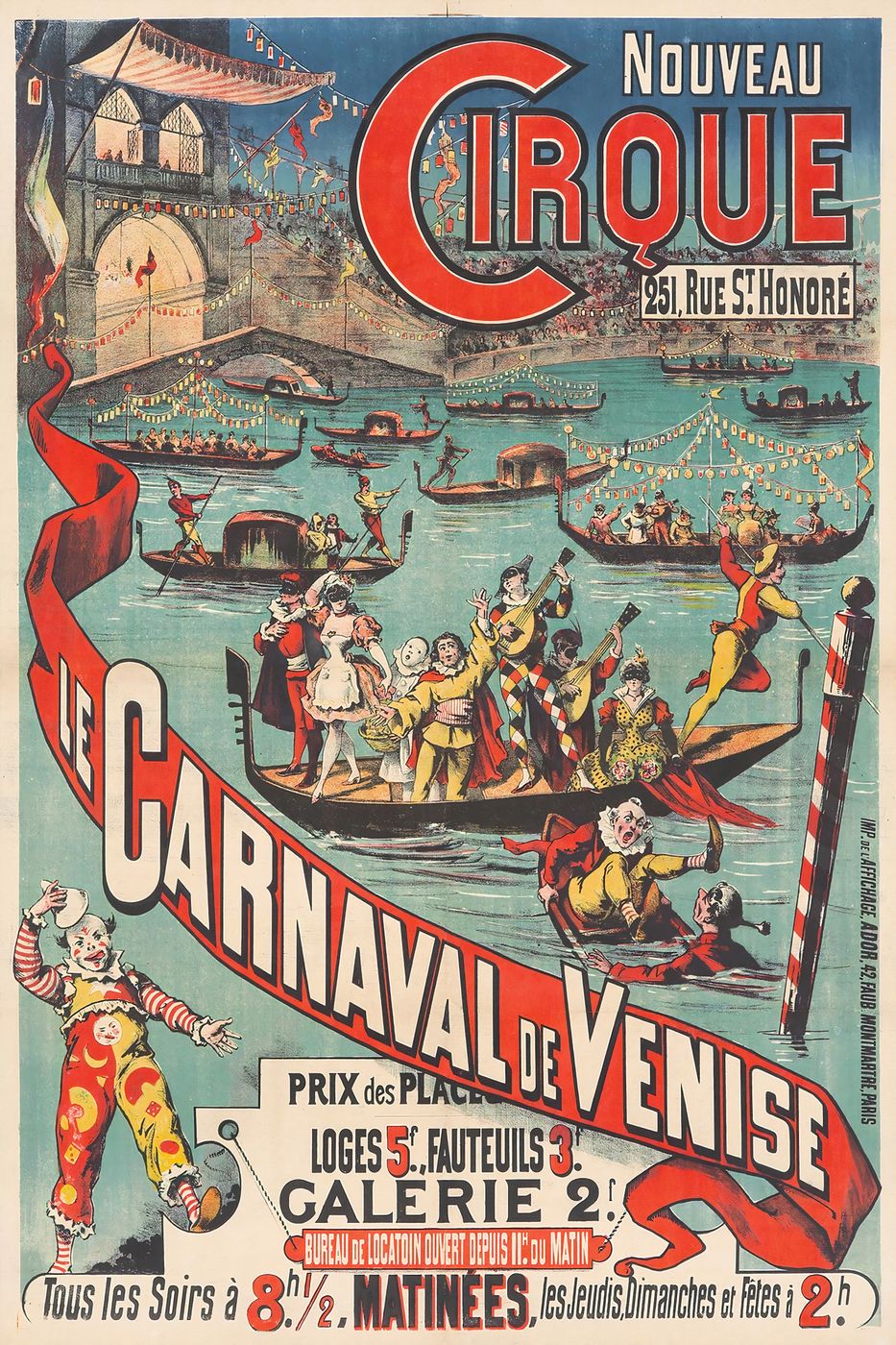
Chéret trained as a lithographer in Paris but perfected his craft in London in the 1860s, where he absorbed the possibilities of large-format colour printing. Returning to Paris in 1866 with newer, faster presses, he began producing posters at a scale and in a palette the city had never seen. His three-stone lithographic method — layering red, yellow and blue — let him conjure whole crowds out of a few translucent washes of colour.
The "Chérettes" and the joy of the street
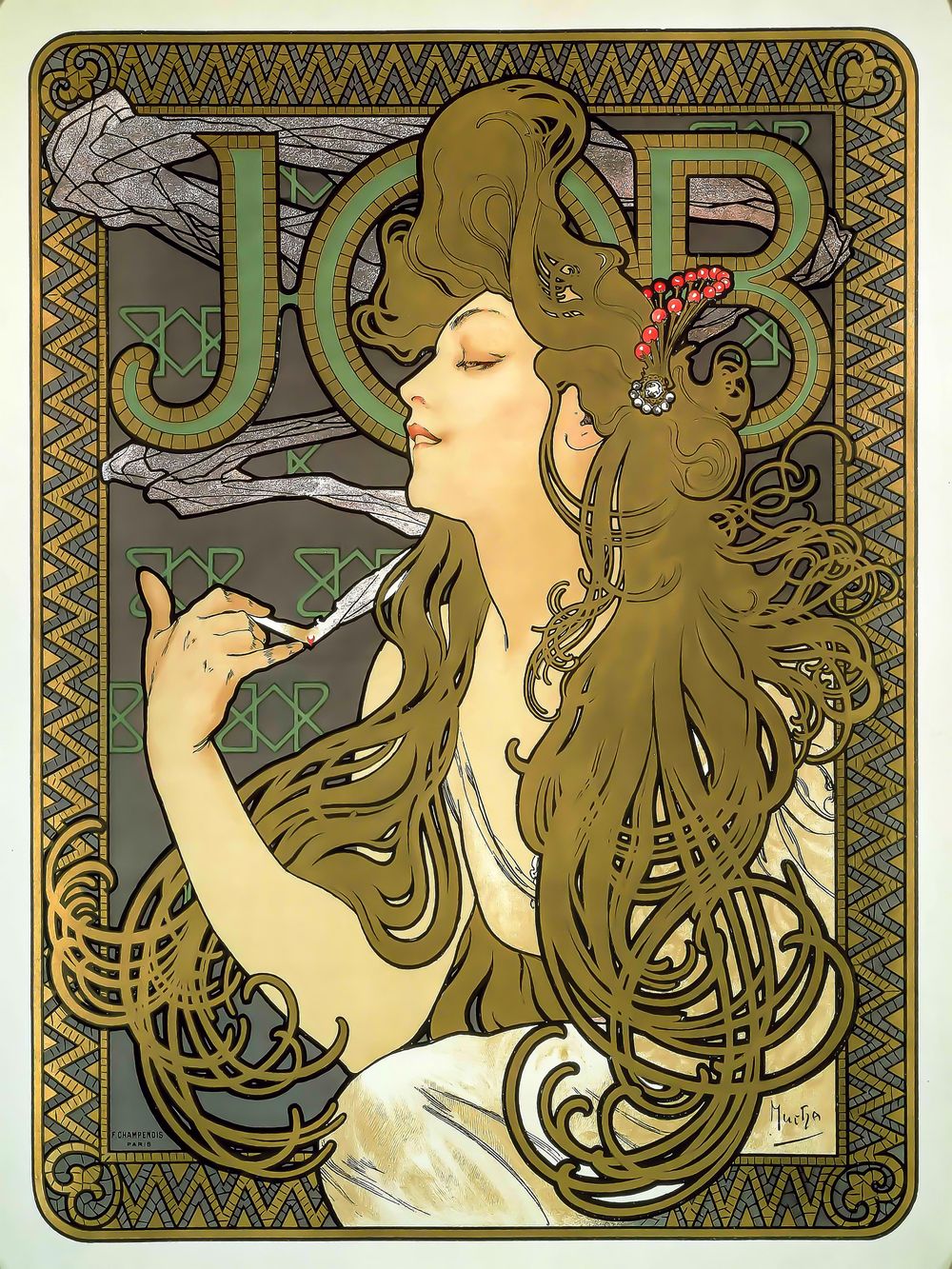
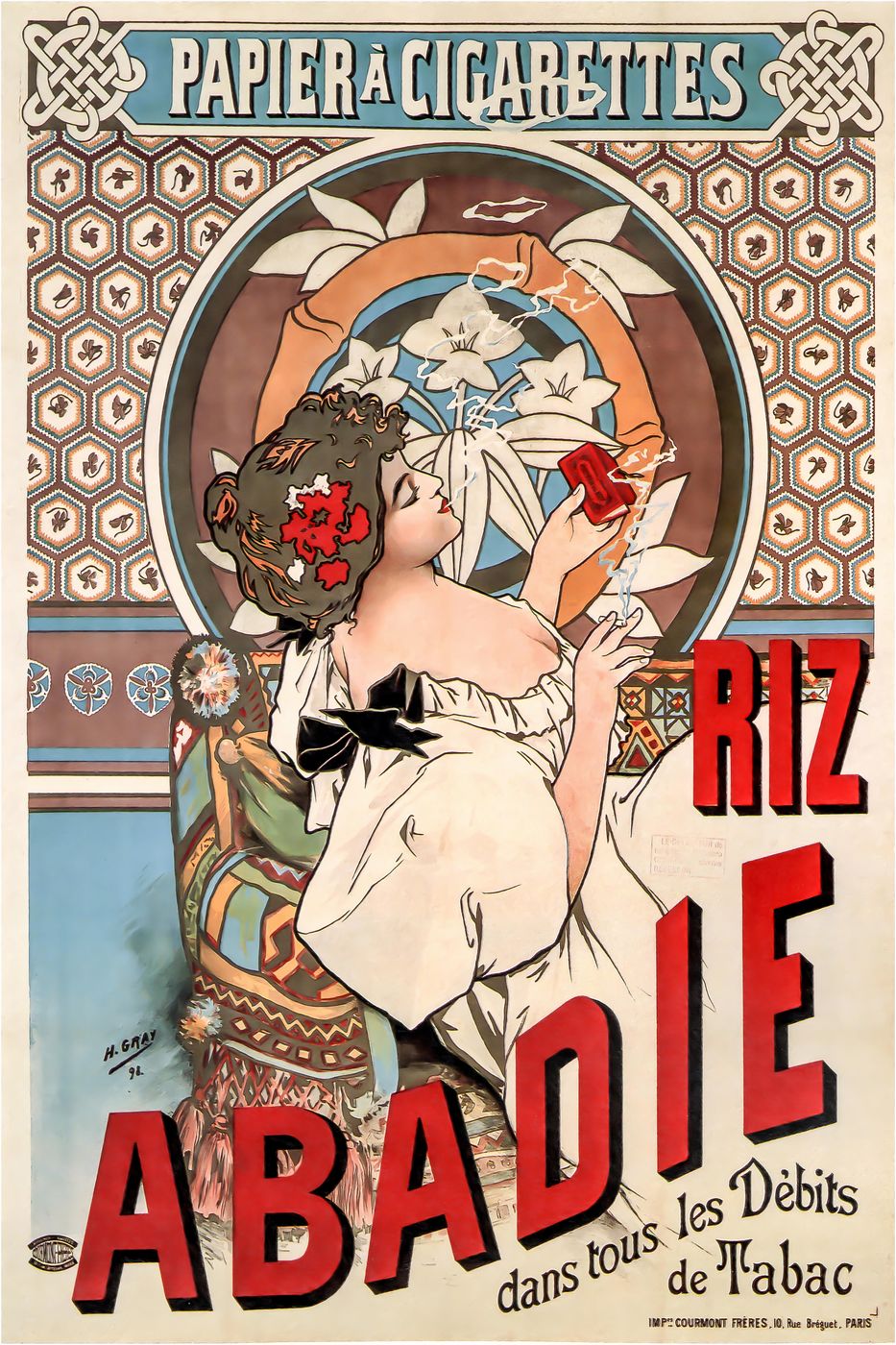
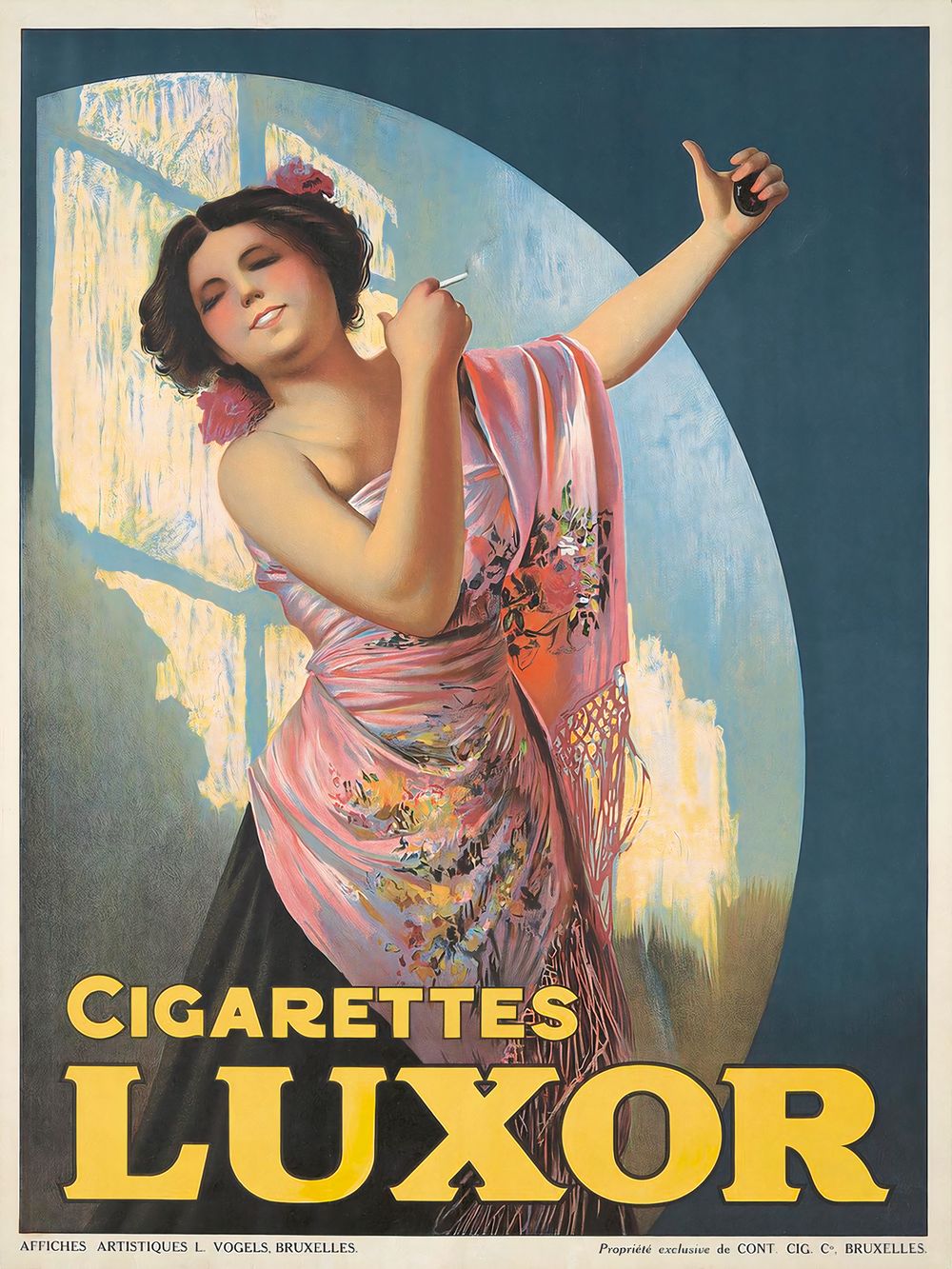
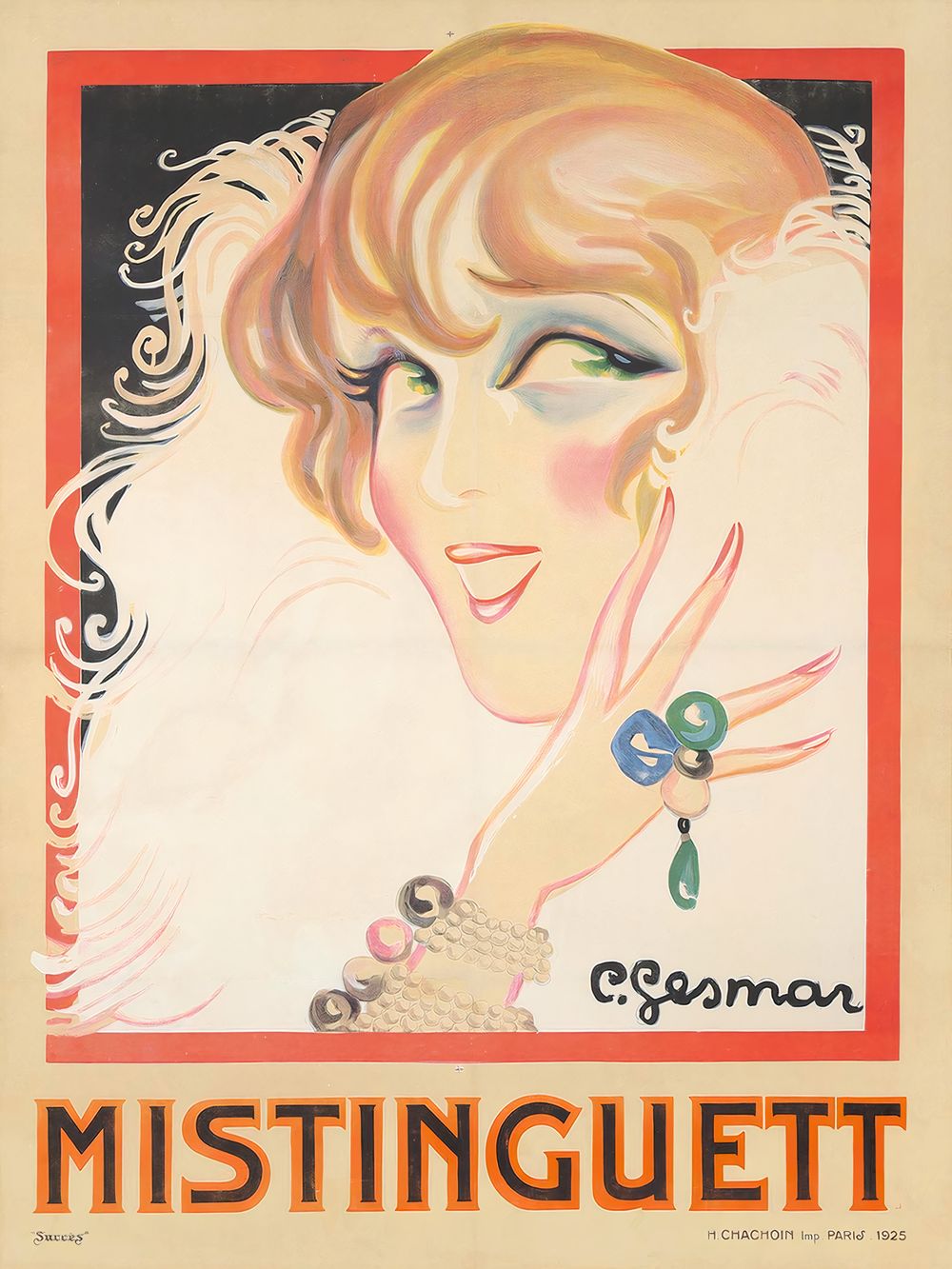
His great subject was pleasure. Chéret's posters for the Folies Bergère, the Moulin Rouge, the Palais de Glace and countless aperitifs and cabarets are populated by laughing, twirling women — the so-called Chérettes — who seem to float free of gravity. Critics of the day credited them with changing how Parisian women dressed and even behaved: here were figures who were confident, independent and visibly enjoying themselves in public.
Why his work still reads as fresh
Chéret understood that a poster has one second to work. He drew with the whole arm, kept his compositions diagonal and open, and let the paper itself glow through the colour. That economy is exactly why his images still feel alive on a wall today, more than a century later — and why they translate so beautifully to museum-grade archival matte prints.
In 1890 the French government made him a knight of the Légion d'honneur "for creating a new branch of art." He had done something rarer than inventing a style: he had taught an entire industry how to look.