Alphonse Mucha and the Birth of Art Nouveau
On the day after Christmas in 1894, a little-known Czech illustrator named Alphonse Mucha (1860–1939) took a rush commission that no one else was around to accept: a poster for Sarah Bernhardt, the most famous actress in the world, in the play Gismonda. When it appeared on the streets of Paris in January 1895, the city stopped. Overnight, Mucha had a six-year contract with Bernhardt and a new style had a face.
A style called simply "le style Mucha"
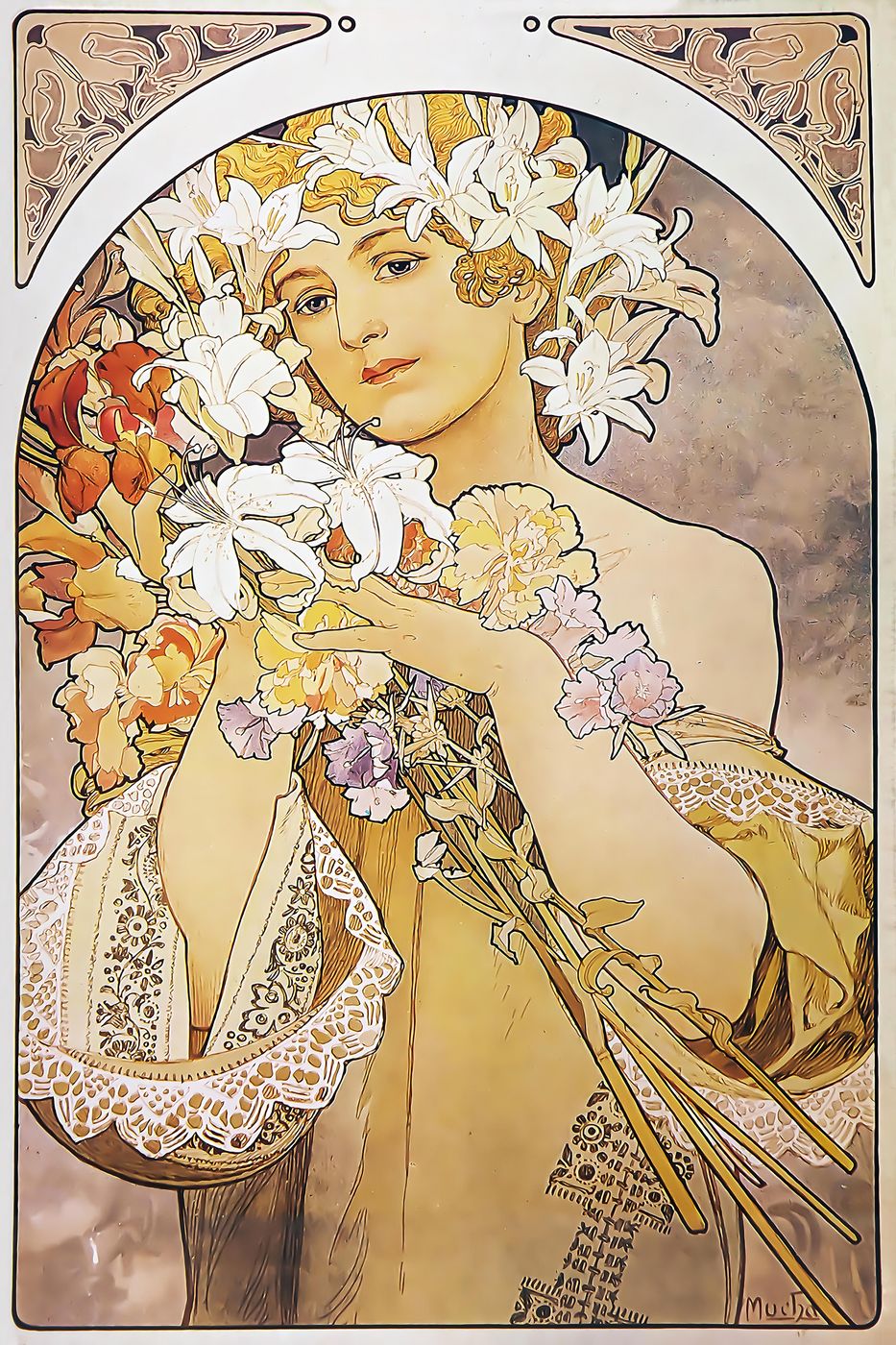
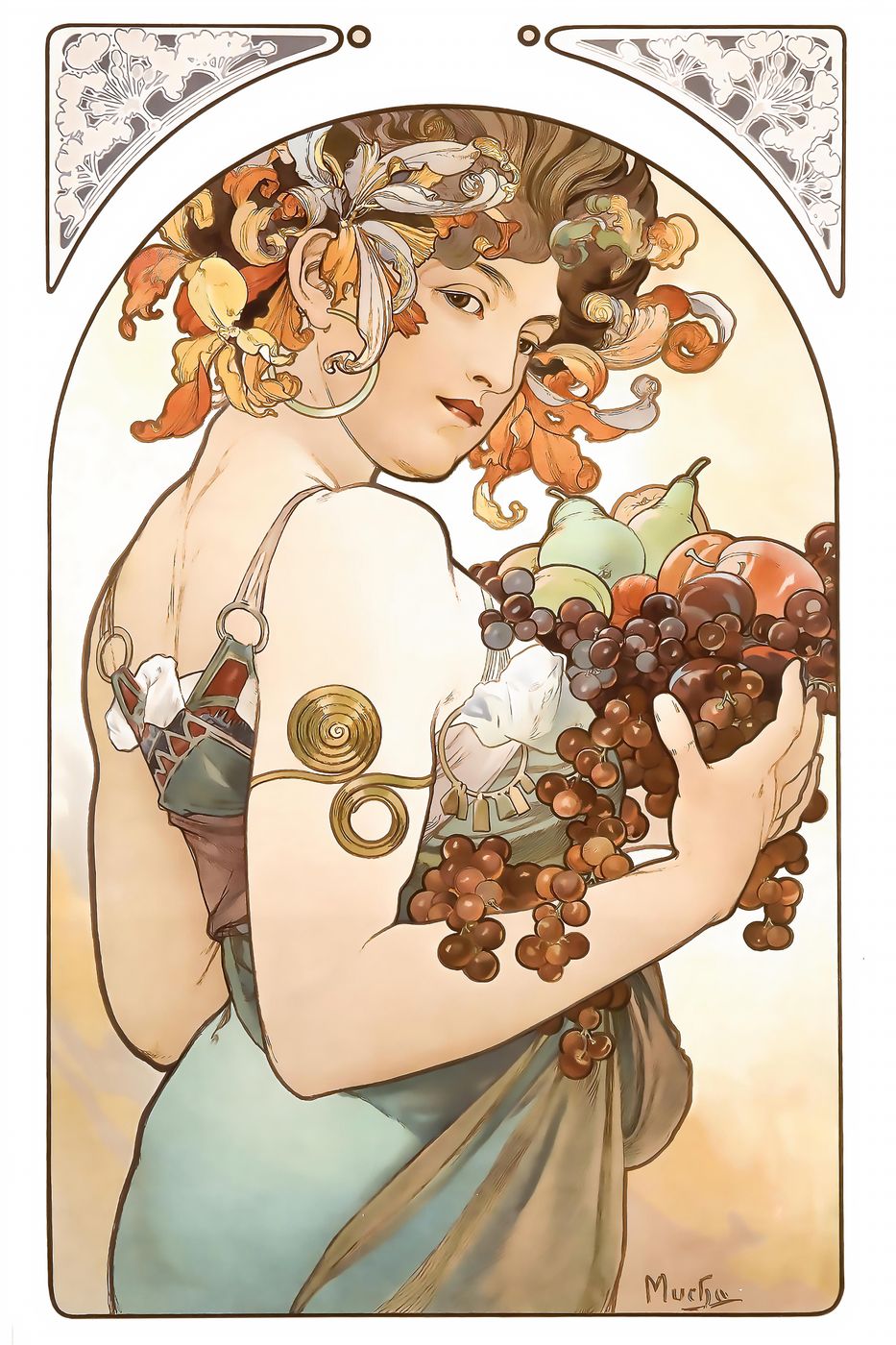
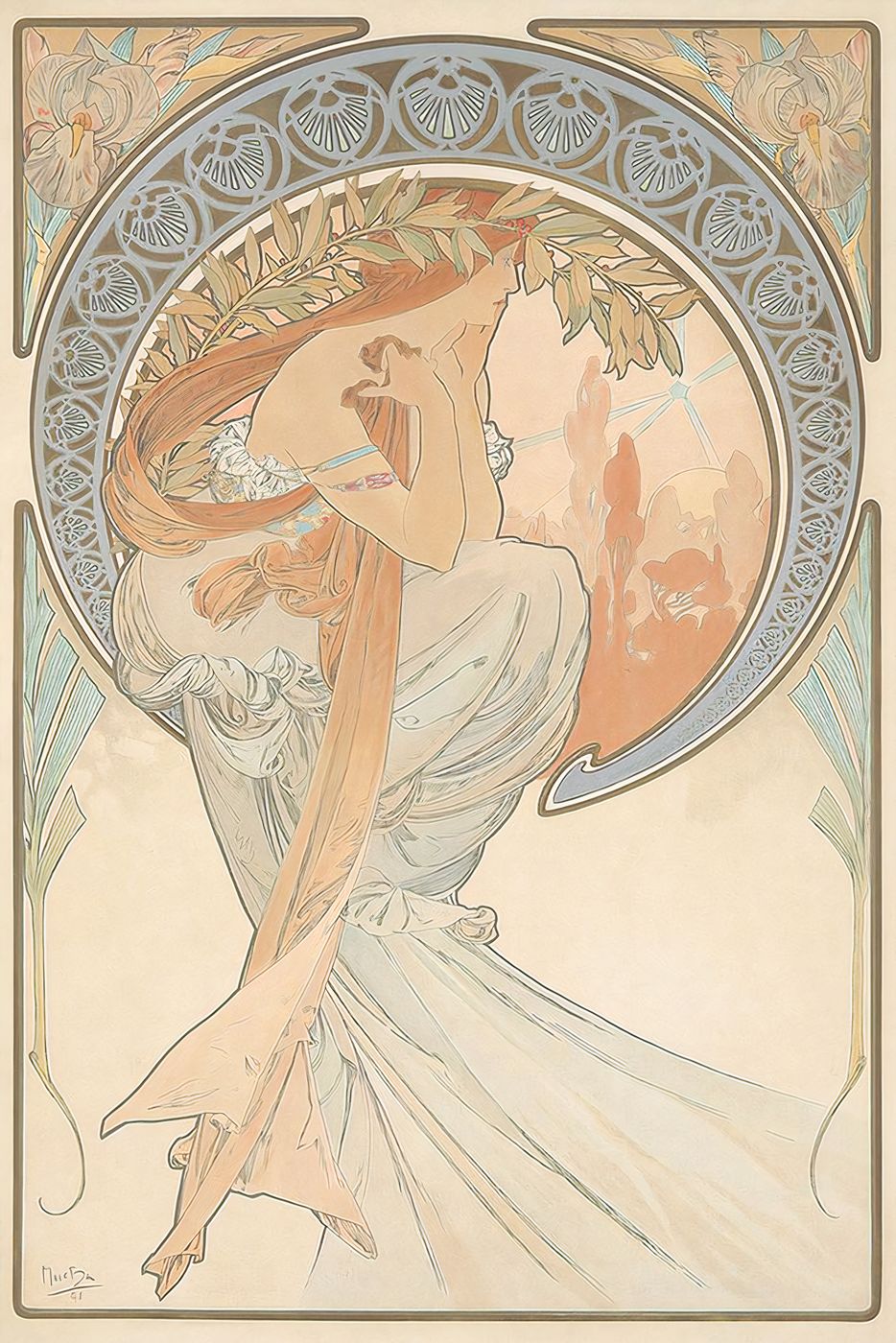
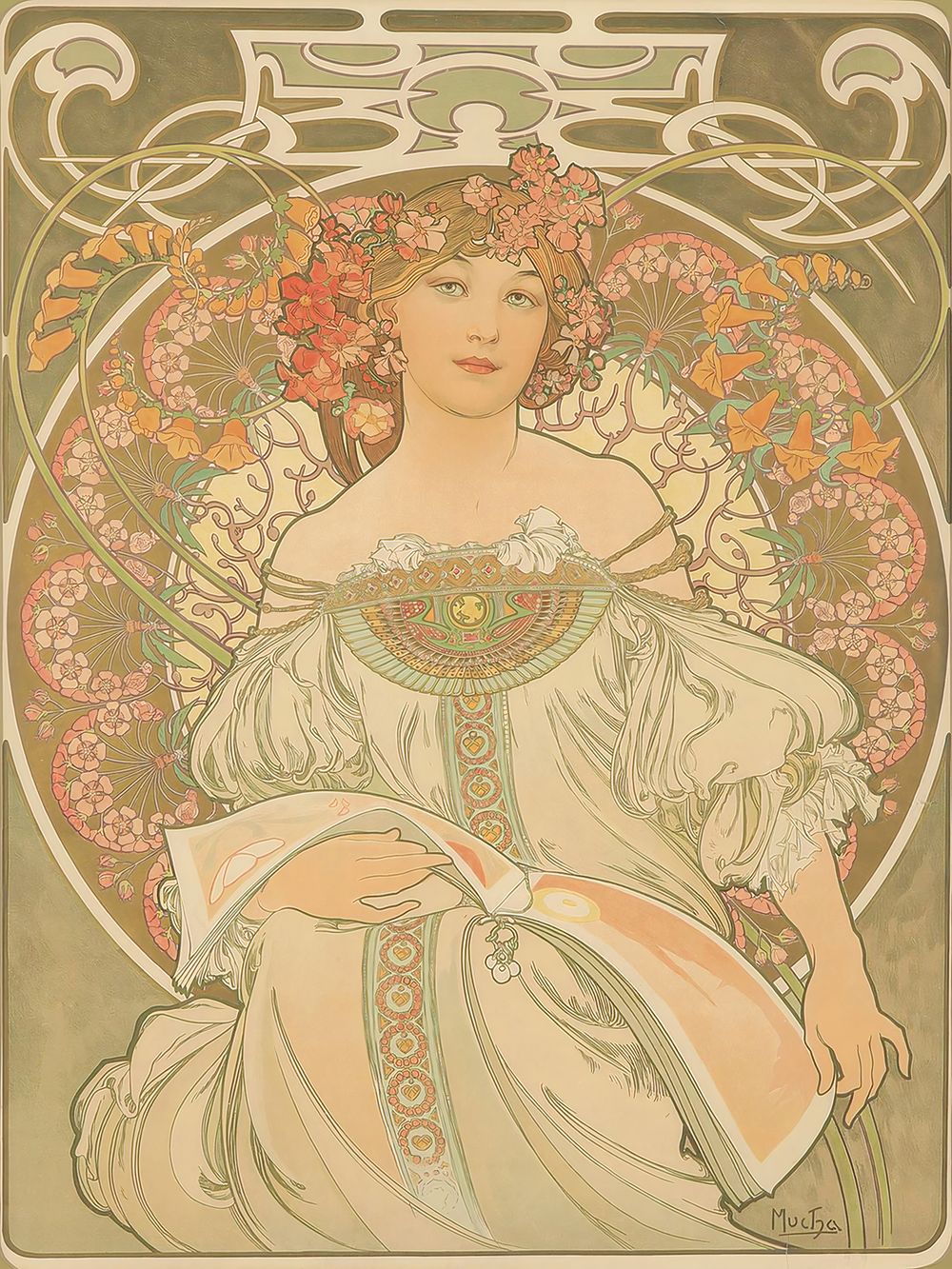
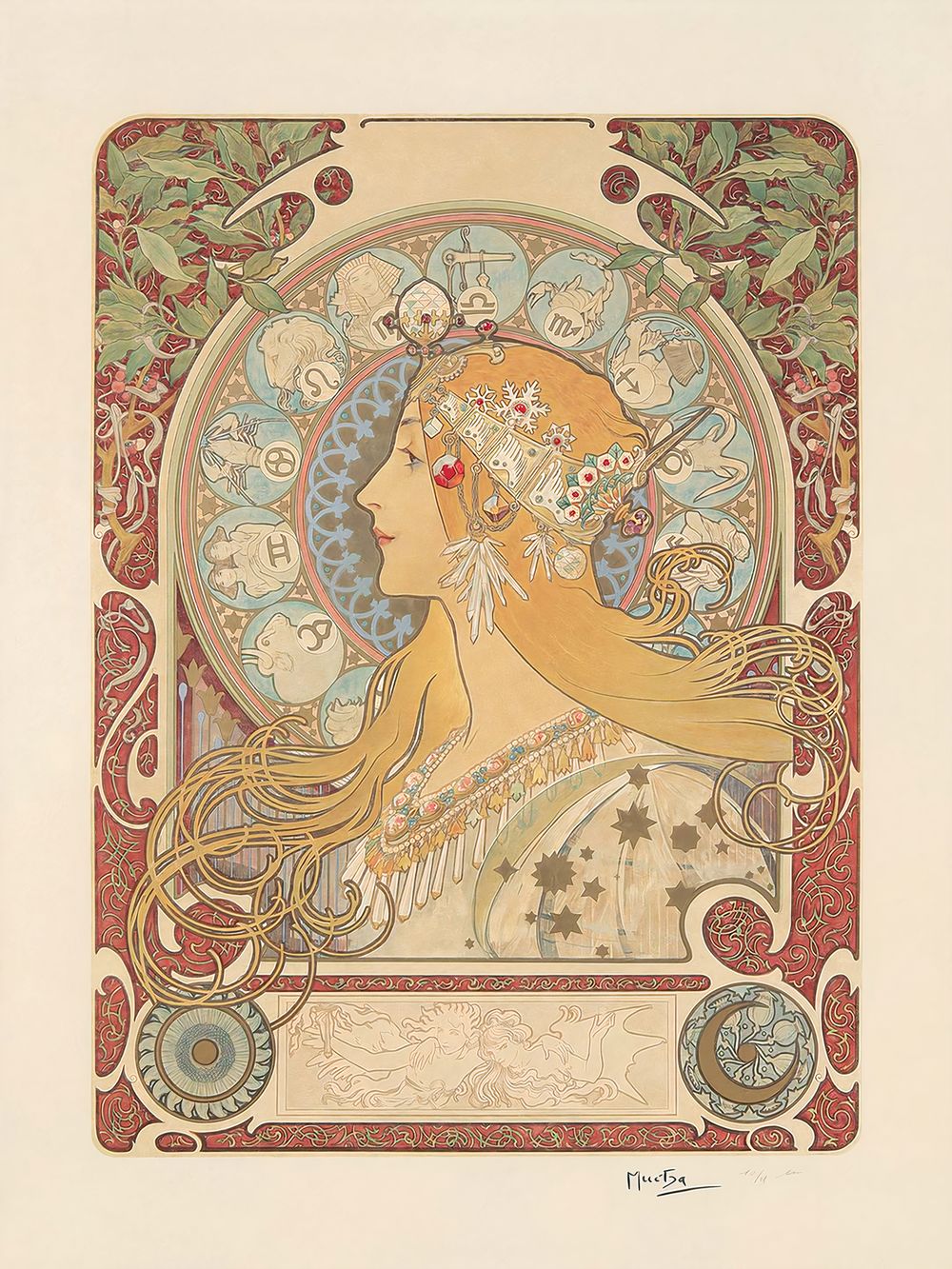
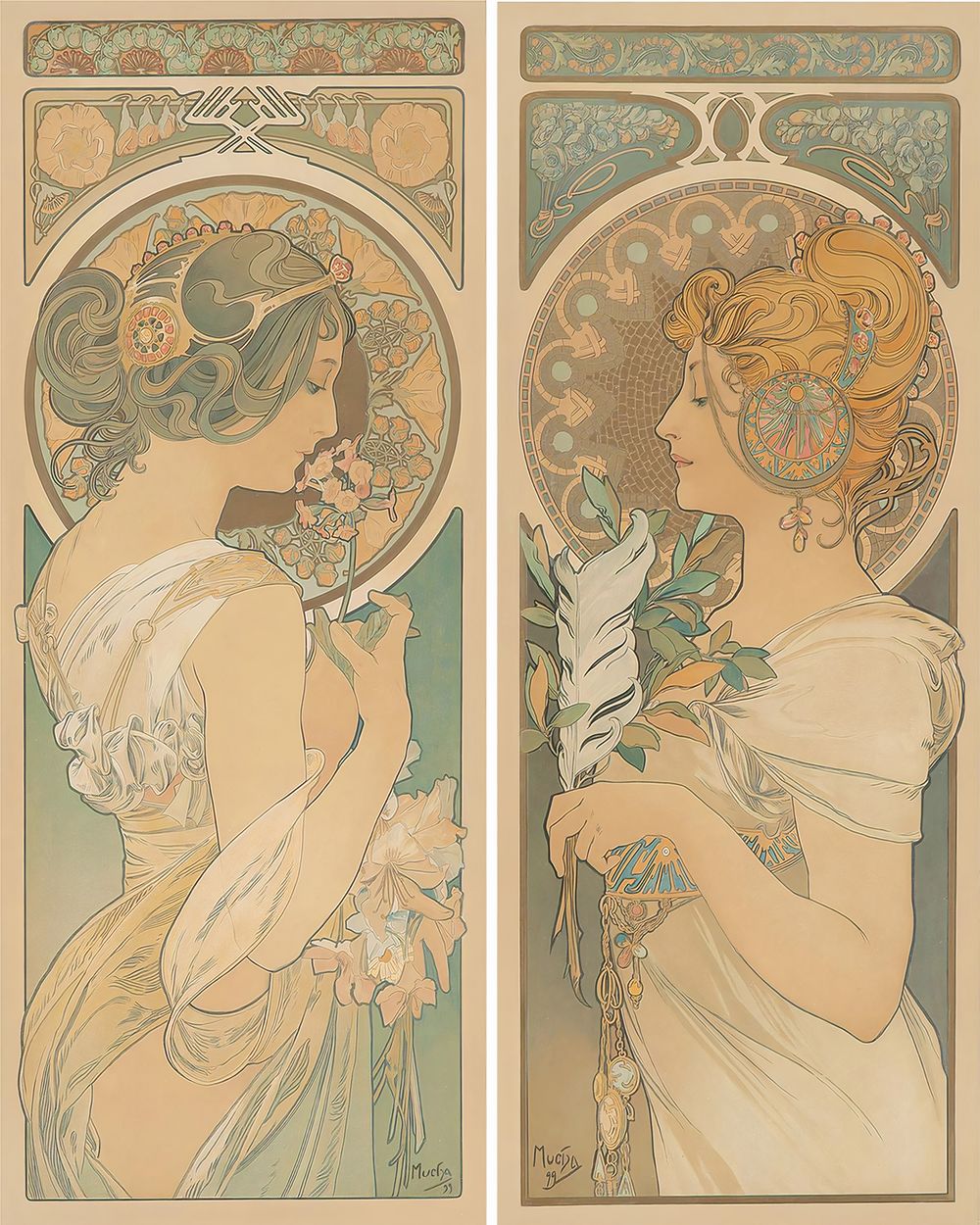
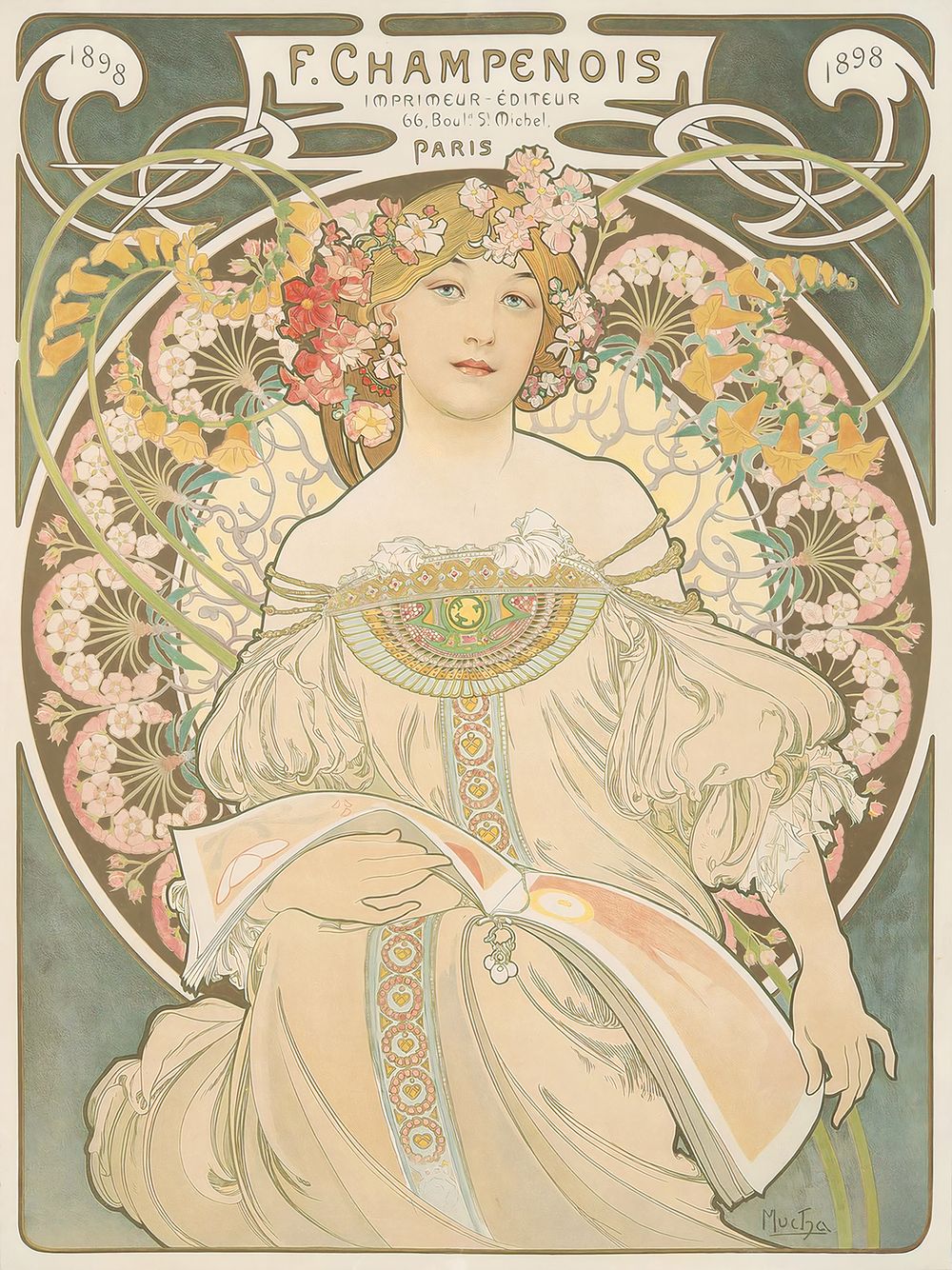
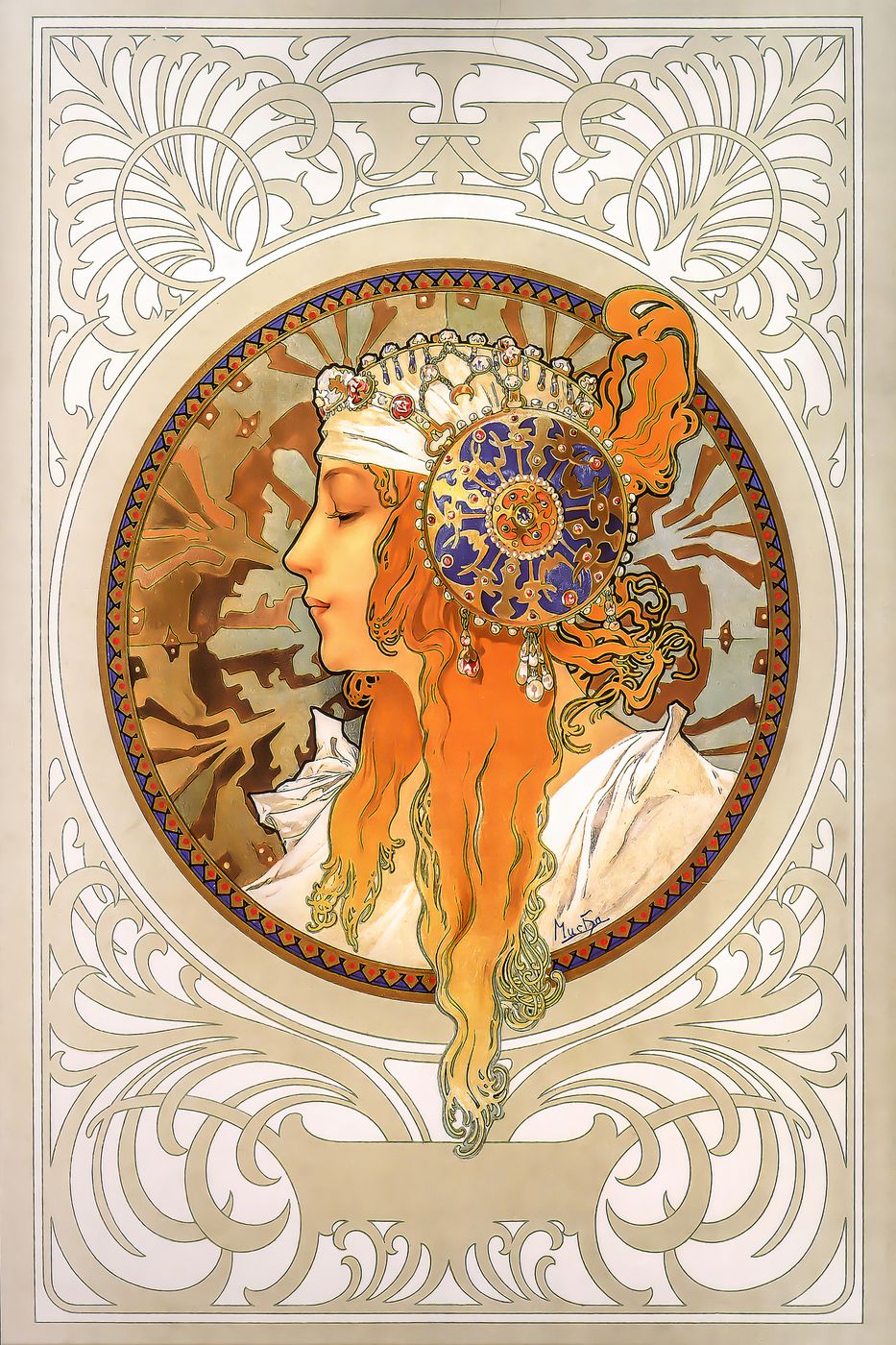
What Parisians were looking at would soon be called Art Nouveau, but at first they just called it le style Mucha. Its ingredients are instantly recognisable: a serene central woman, often haloed by a mosaic-like arc; cascades of hair drawn like flowing water; flowers, stars and arabesques woven into a shallow, tapestry-flat space; and a soft, pastel-and-gold palette. Mucha framed everyday commerce — cigarette papers, champagne, biscuits, bicycles — as if it were sacred.
Decoration as a democratic art
Mucha believed beauty should not be locked in galleries. He published Documents Décoratifs, a pattern book meant to put good design into the hands of ordinary craftsmen, and he was proud that his art reached people on the street rather than only on museum walls. That conviction is part of why his images remain so collectable: they were always meant to live in daily life.
The patriot behind the panels
Late in life Mucha turned away from commercial work to paint the Slav Epic, a monumental cycle celebrating the history of the Slavic peoples — a reminder that the man behind the decorative panels was also a fervent patriot. But it is the Paris posters of the 1890s, with their calm goddesses and golden light, that changed the look of the modern world. Reproduced at archival quality, they bring a whole era of grace into a room.