Adolphe Millot: The Man Who Illustrated the French Dictionary
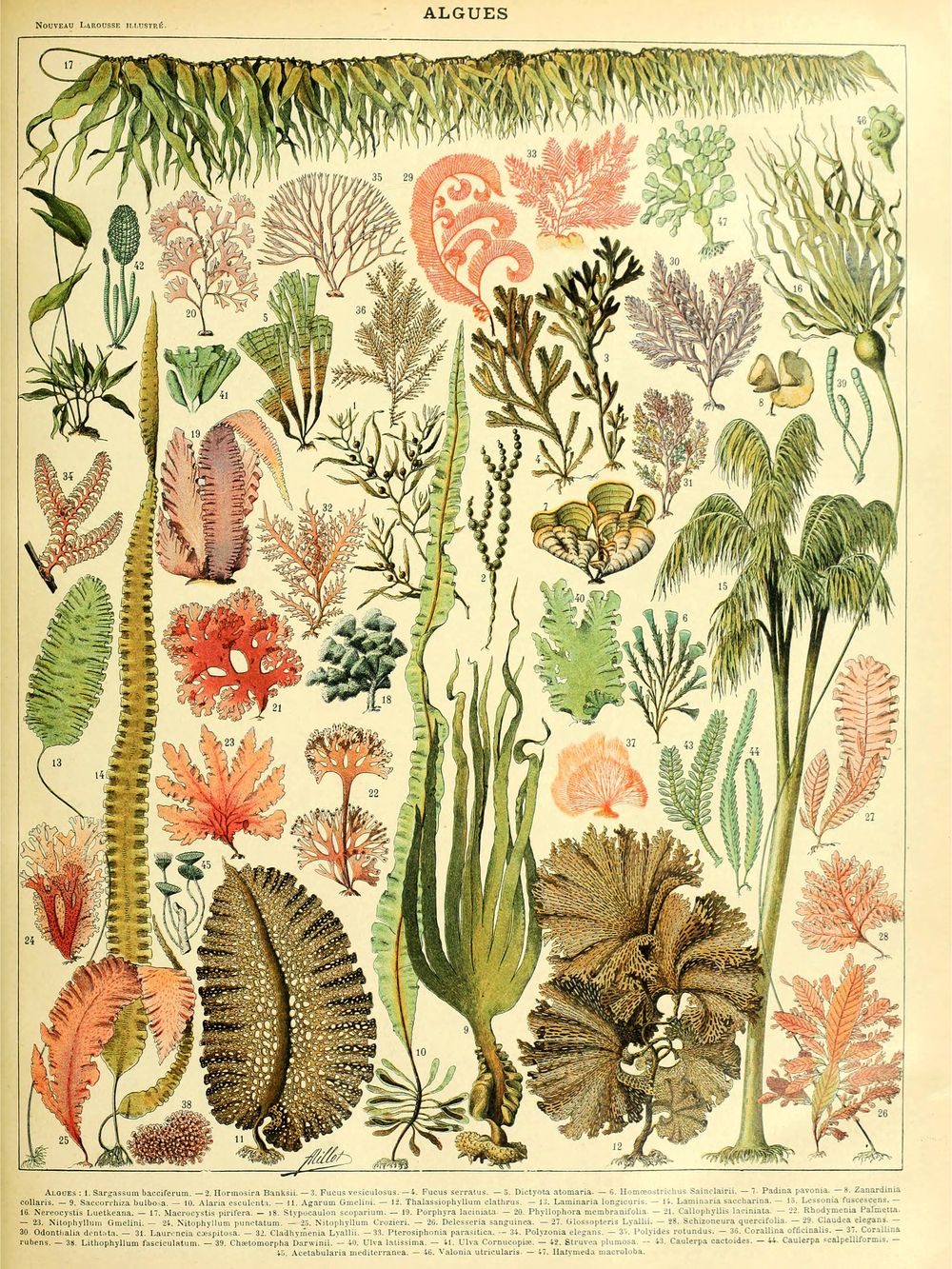
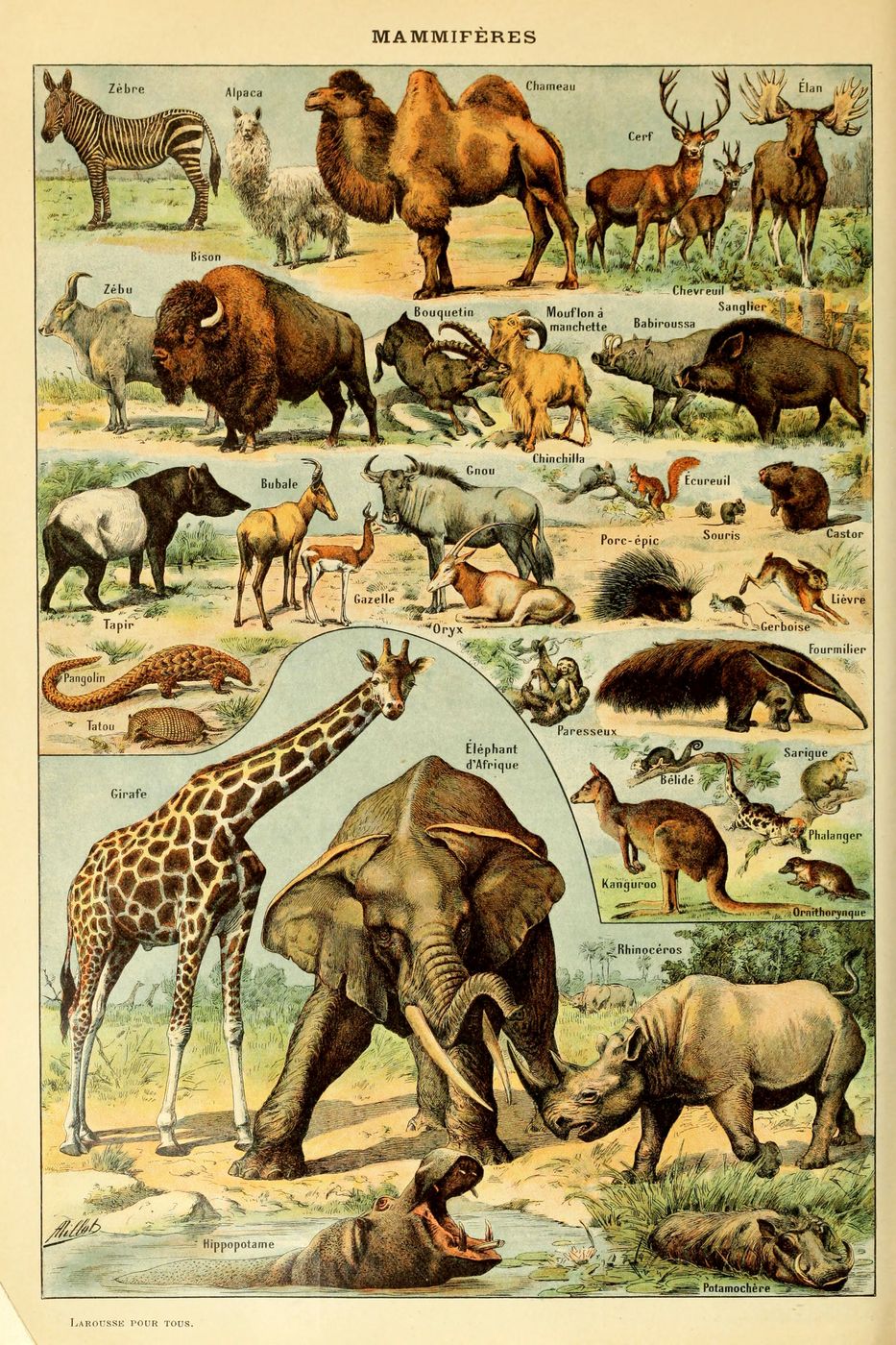
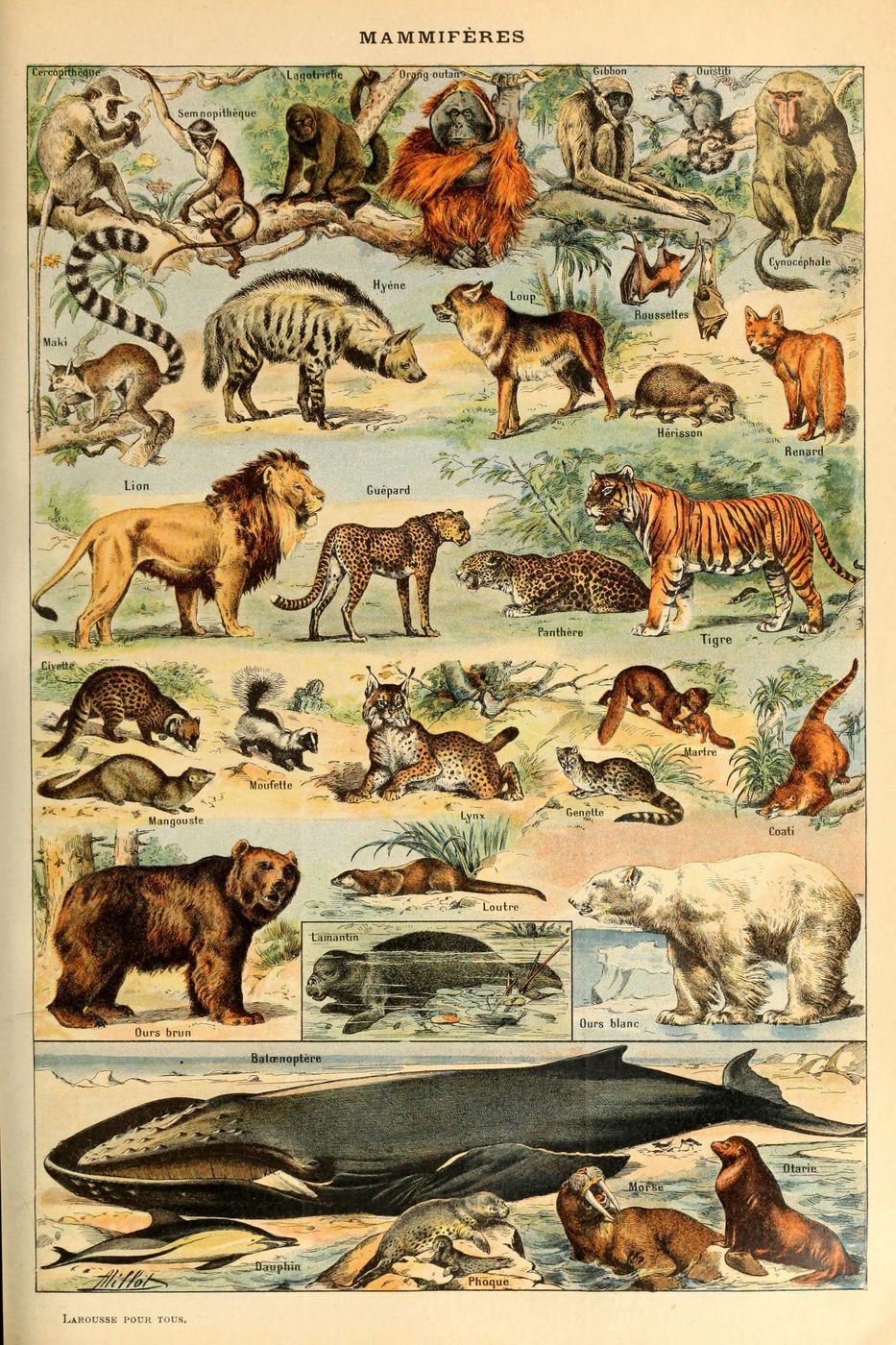
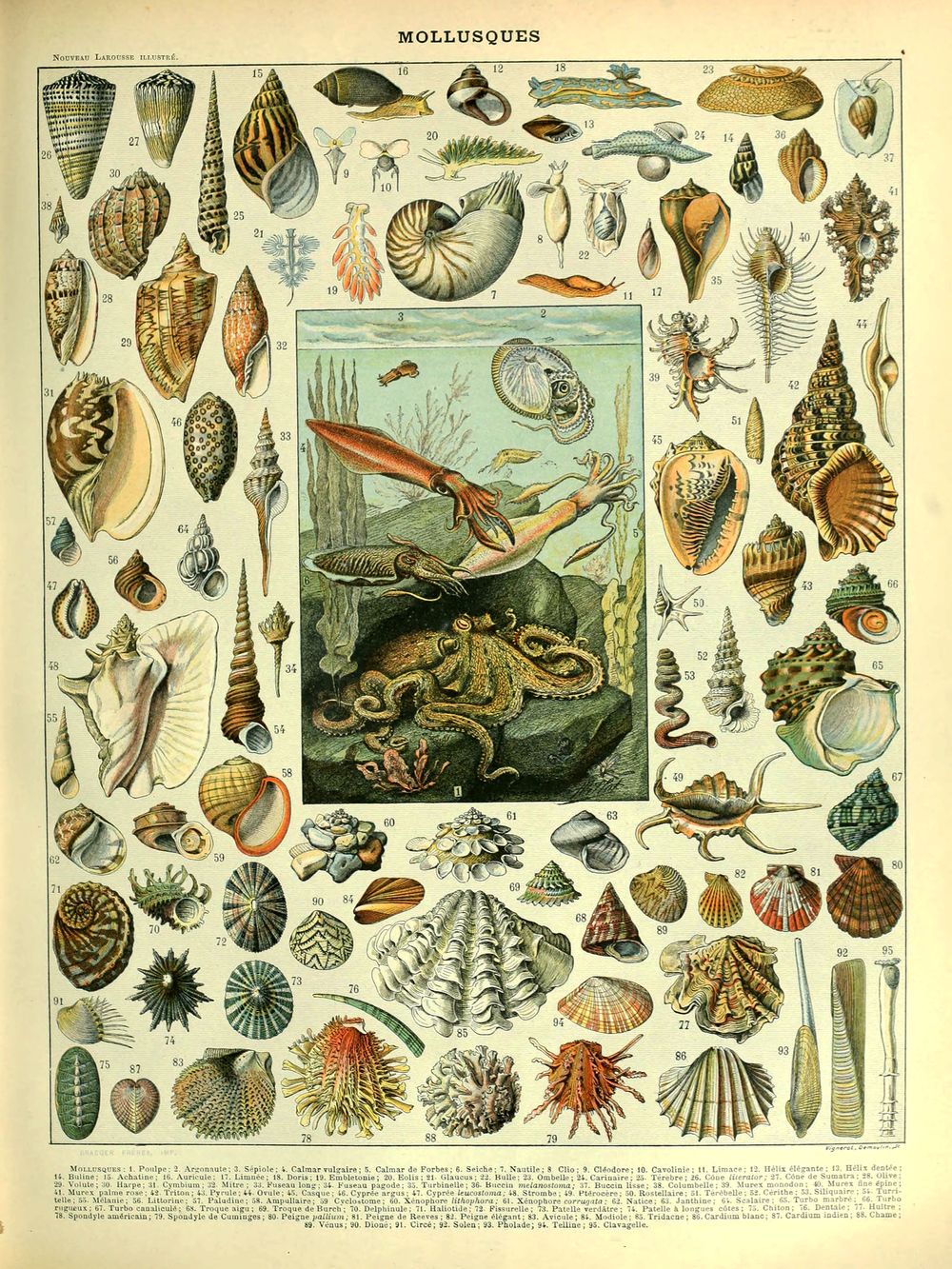
If you grew up in France, you have almost certainly seen Adolphe Millot's work without knowing his name. His crowded, jewel-bright plates of butterflies, flowers, mushrooms and seaweed filled the pages of the Larousse dictionaries — and taught generations to look closely at the natural world.
Natural history as a designed page
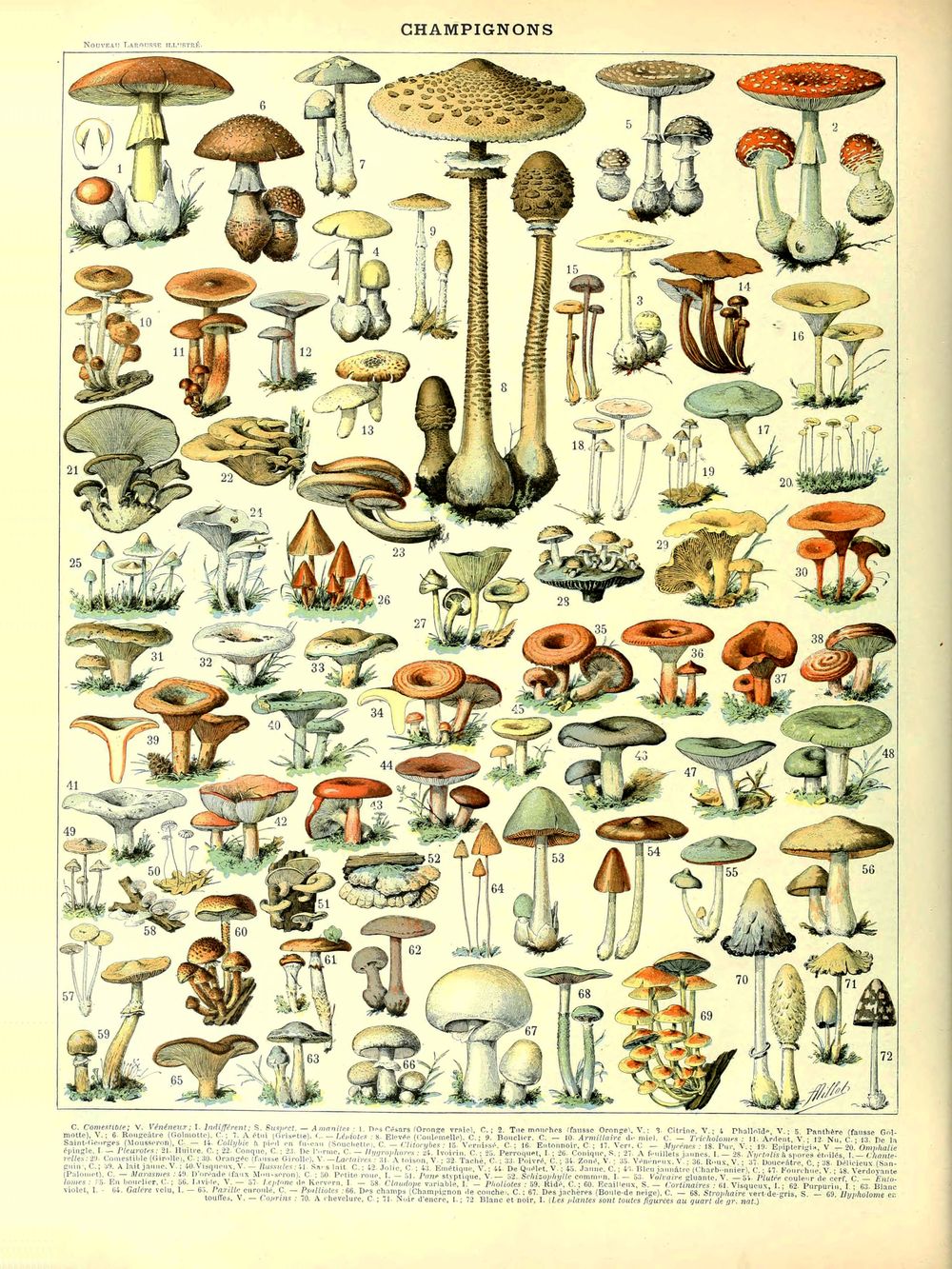
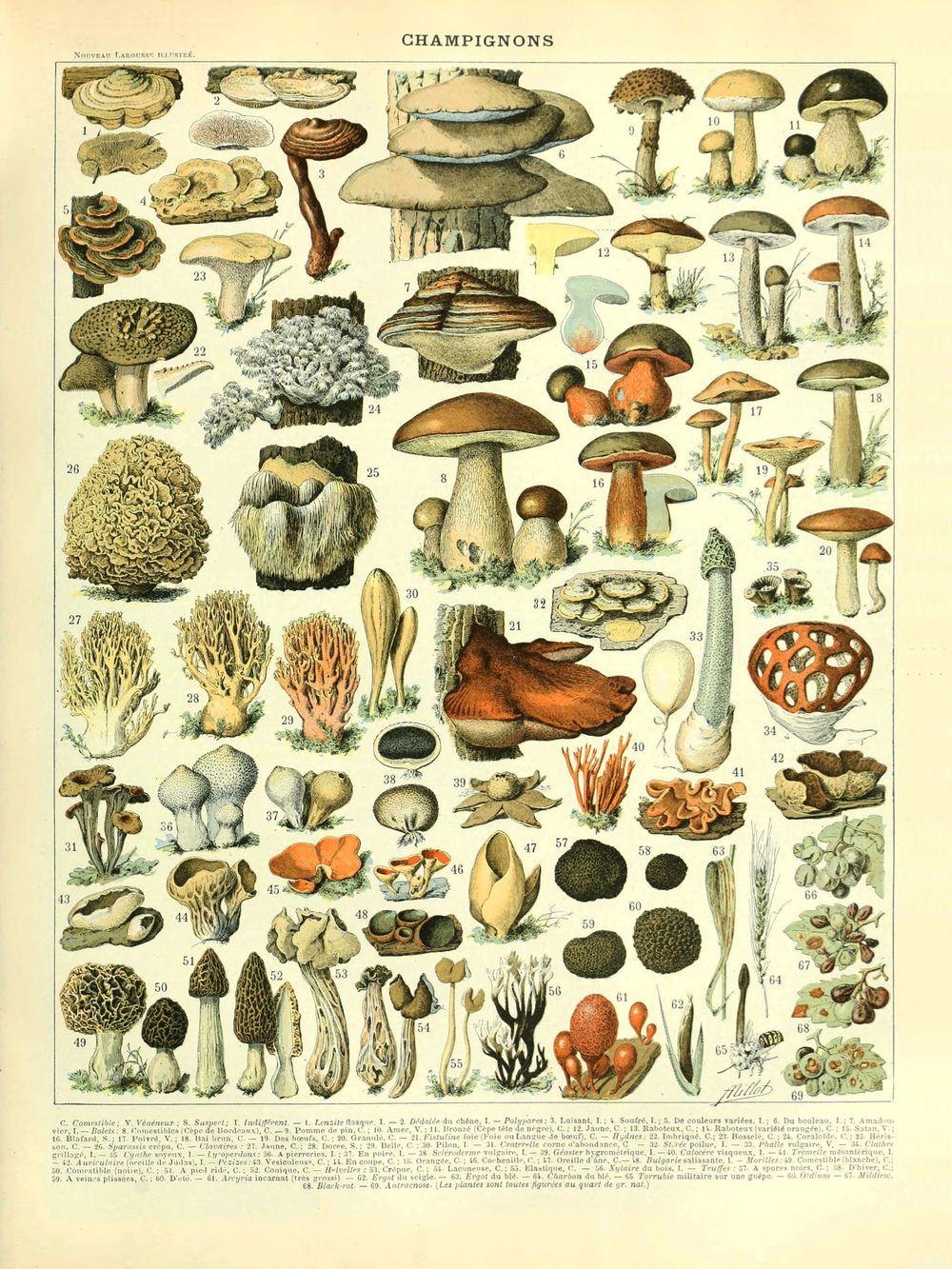
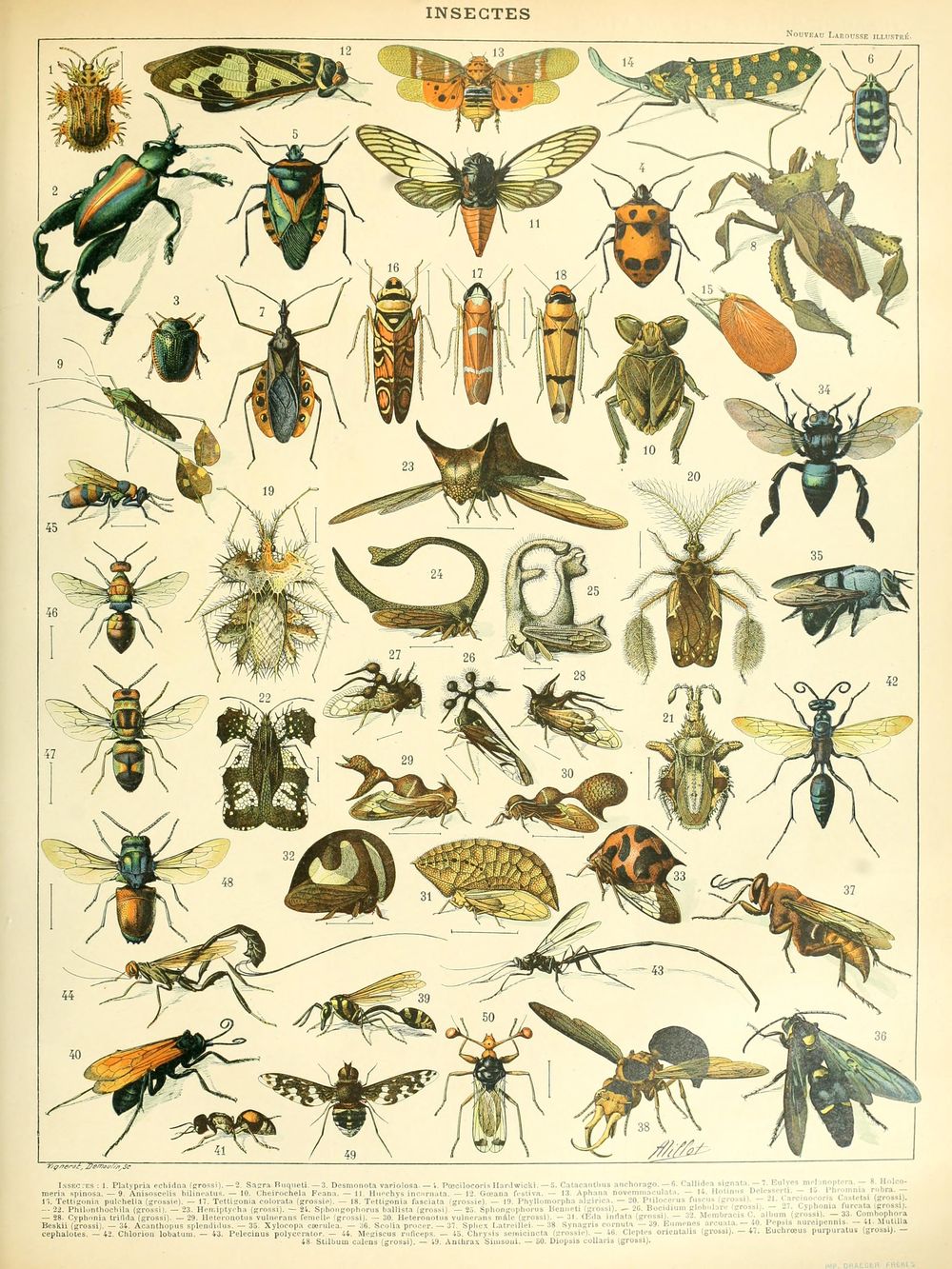
Millot (1857–1921) was the principal natural-history illustrator for the Nouveau Larousse Illustré at the turn of the twentieth century. His genius was compositional as much as scientific: he arranged dozens of specimens — every one accurate, every one labelled — into a single balanced, beautifully ordered page. A Millot plate of papillons is at once a reference chart and a small masterpiece of layout.
From the museum to the schoolroom
Trained partly at the Paris Museum of Natural History, Millot brought scientific rigour to work meant for ordinary readers. His plates were reproductions democratised knowledge: a child in a village school could study the same precise butterflies and toadstools as a naturalist in the capital. That mix of authority and accessibility is exactly what makes them so appealing now.
Why they work so well on a wall
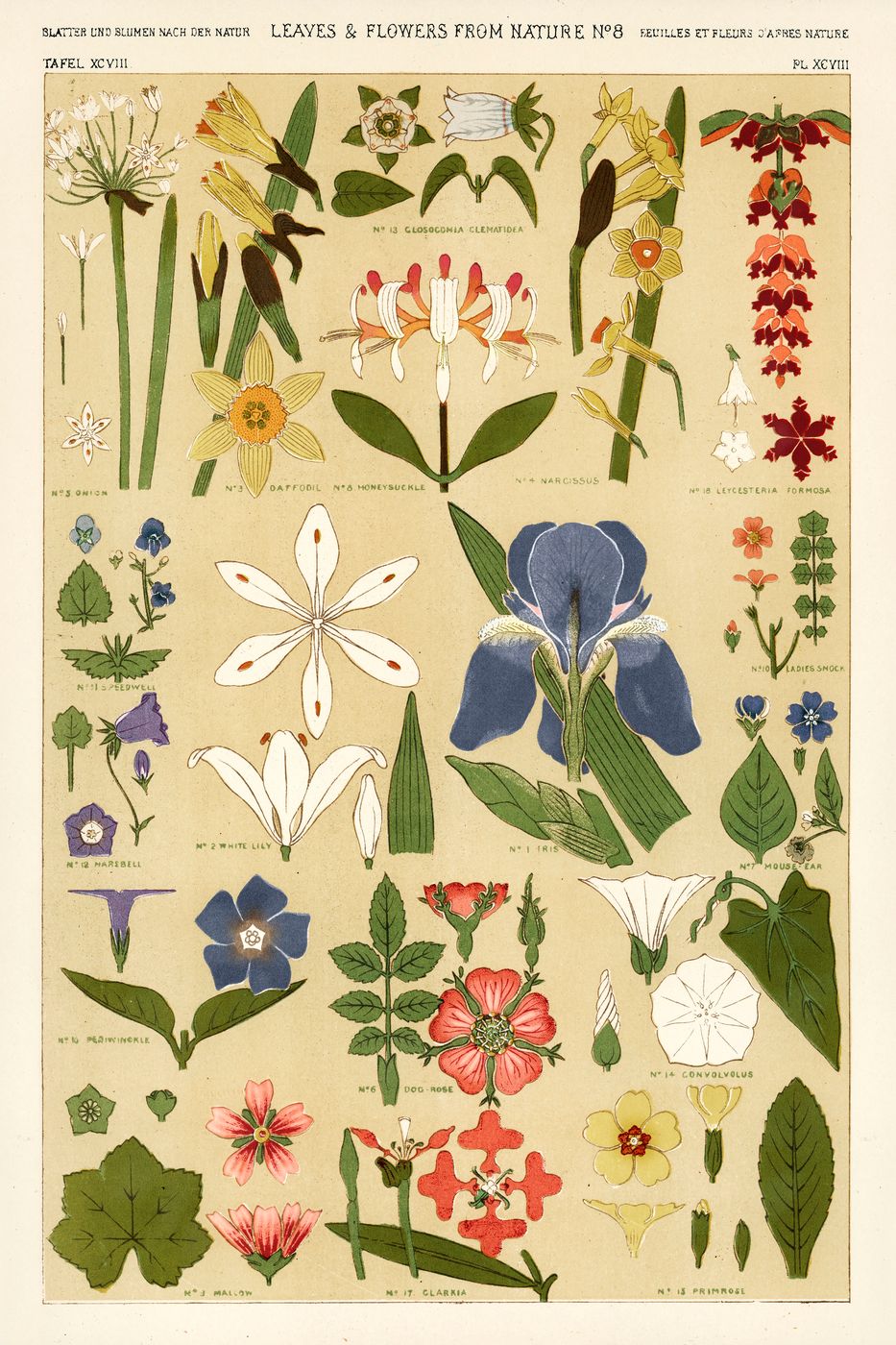
Millot's plates have a wonderful double life as décor. From a distance they read as a rich, colourful grid; up close they reward endless inspection, each little specimen a discovery. They suit kitchens, studies and children's rooms alike, and they pair naturally with botanical and bird prints. Printed at archival quality, his dense, joyful pages bring a whole cabinet of curiosities to a single frame.